
Post
Lettuce nutrition health benefits
May
Lettuce: Light, Healthy, and Packed with Nutrition
Lettuce is often seen as nothing more than a low-calorie salad base, but the lettuce nutrition health benefits are far more impressive than most people realize. Whether consumed fresh in salads, used as a wrap, or blended into green smoothies, the lettuce nutrition health benefits span multiple body systems — from hydration and digestion to heart health, bone strength, and skin vitality. This often-underestimated leafy green deserves a prominent place in any healthy diet.
Nutritional Profile and Key Nutrients
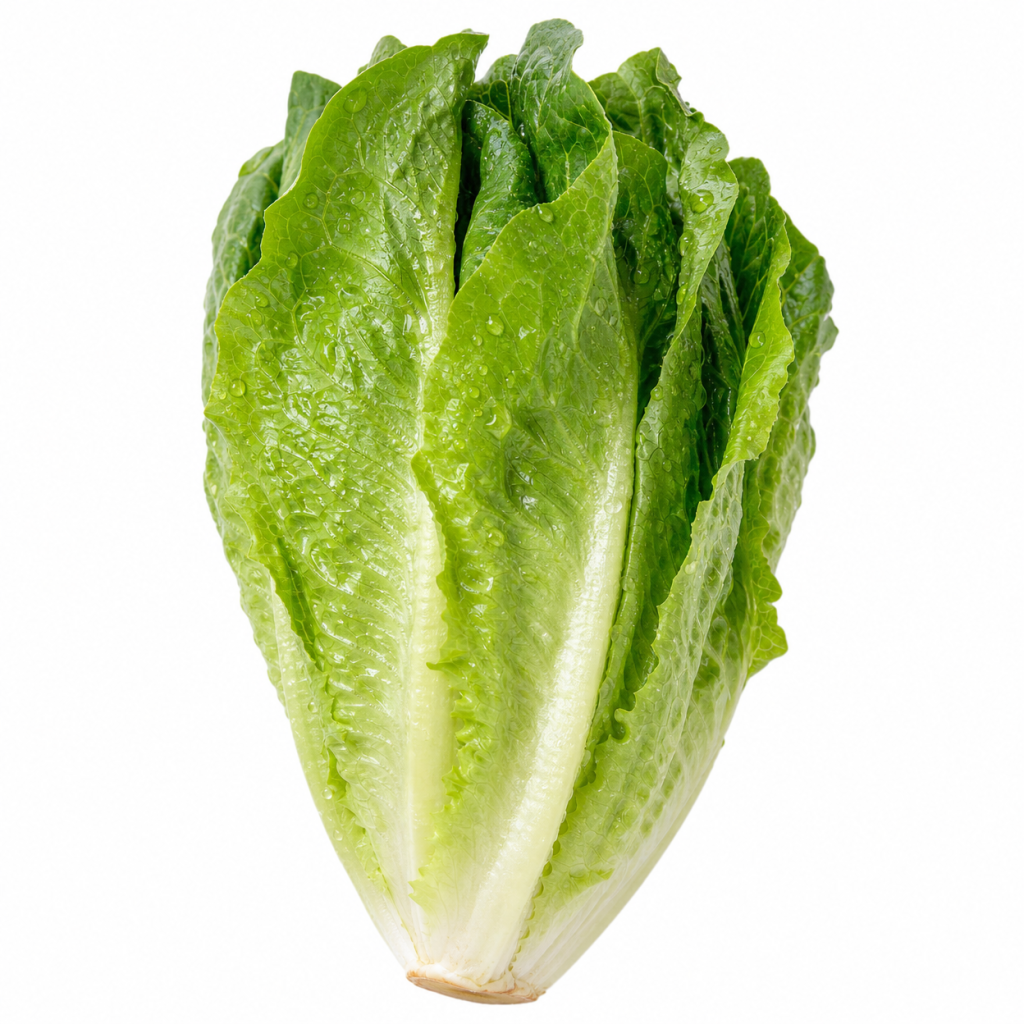
To fully appreciate the lettuce nutrition health benefits, it helps to examine what makes this food so nutrient-dense. One cup of shredded romaine lettuce (about 47 grams) contains only 8 calories but provides significant amounts of Vitamin K (over 40% of the daily recommended intake), Vitamin A (over 20%), Vitamin C, folate, and manganese. Darker varieties like romaine and red leaf lettuce are more nutrient-dense than iceberg, but all lettuces offer hydration, fiber, and beneficial plant compounds like lutein, zeaxanthin, and flavonoids. These nutrients are present in forms the body can readily absorb and utilize, making every serving count. The caloric footprint is extremely modest relative to the nutritional value delivered, which is one reason why nutrition experts highlight the lettuce nutrition health benefits as part of a balanced, health-conscious diet. For a broader understanding of plant-based nutrition, consult this Wikipedia resource on fruits and plant foods.
Hydration and Cellular Function
One of the most immediate lettuce nutrition health benefits is its exceptionally high water content. Lettuce is composed of 95-96% water, making it one of the most hydrating foods available. Proper hydration is essential for virtually every bodily function, including temperature regulation, nutrient transport, joint lubrication, digestion, and cognitive performance. Even mild dehydration (loss of 1-2% of body water) can impair concentration, increase fatigue, and reduce physical performance. By including water-rich foods like lettuce in your diet, you can maintain hydration more consistently throughout the day, especially if you struggle to drink enough plain water. The water in lettuce also contributes to the feeling of fullness, which aids in weight management. The lettuce nutrition health benefits for hydration are often overlooked but are critically important for long-term health, particularly for older adults who may have a diminished sense of thirst.
Bone Health and Vitamin K
One of the most significant lettuce nutrition health benefits is its high Vitamin K content. A single cup of romaine lettuce provides about 40-50 micrograms of Vitamin K, or roughly 40% of the daily recommended intake. Vitamin K is essential for bone mineralization and blood clotting. It activates osteocalcin, a protein that binds calcium to the bone matrix, making bones stronger and reducing the risk of fractures and osteoporosis — a condition that affects millions of older adults, especially postmenopausal women. Without adequate Vitamin K, calcium can be deposited in soft tissues like arteries (leading to calcification) instead of bones. Regular consumption of Vitamin K-rich leafy greens like lettuce supports proper calcium deposition into bones and reduces fracture risk. Combined with other bone-supporting nutrients like calcium and Vitamin D from diverse dietary sources, the lettuce nutrition health benefits contribute meaningfully to a comprehensive bone health strategy for all age groups.
Antioxidant Power and Eye Health
Antioxidants are among the most valuable compounds found in lettuce, and they form a core pillar of the lettuce nutrition health benefits story. Dark leafy lettuces like romaine and red leaf are particularly rich in lutein and zeaxanthin — two carotenoids that accumulate in the macula of the retina and protect against age-related macular degeneration (AMD) and cataracts, two of the leading causes of blindness in older adults. These compounds act as natural sunglasses, filtering out harmful blue light and neutralizing free radicals generated by UV exposure. Studies have shown that people with higher dietary intakes of lutein and zeaxanthin have a significantly lower risk of developing AMD. Other antioxidants in lettuce, including beta-carotene (converted to Vitamin A) and flavonoids like quercetin, protect cells from oxidative damage, reduce inflammation, and support overall disease prevention. The lettuce nutrition health benefits for eye health alone make it worth including regularly in your diet.
Heart Health and Blood Pressure
The lettuce nutrition health benefits also extend to cardiovascular health. Lettuce contains potassium, magnesium, folate, and fiber — all of which support heart function. Potassium helps regulate blood pressure by counteracting sodium and relaxing blood vessel walls. One cup of romaine lettuce provides about 120 milligrams of potassium. Magnesium supports healthy heart rhythm and helps prevent arrhythmias. Folate (Vitamin B9) reduces levels of homocysteine, an amino acid linked to increased risk of heart attack and stroke when present in high amounts. Fiber, though present in modest amounts (about 1 gram per cup), helps lower LDL (bad) cholesterol by binding to it in the digestive tract and removing it from the body. By addressing multiple cardiovascular risk factors simultaneously, the lettuce nutrition health benefits make this humble leafy green a supportive ally for heart health, especially when part of a diet low in saturated fat and sodium.
Digestive Health and Fiber
While lettuce is not as high in fiber as some other vegetables, it still contributes to digestive health in meaningful ways. One cup of lettuce provides about 1 gram of fiber, mostly insoluble fiber that adds bulk to stool and speeds up intestinal transit, helping to prevent constipation and promote regular bowel movements. The high water content of lettuce also helps soften stool, making it easier to pass. The lettuce nutrition health benefits for digestion are most effective when lettuce is consumed as part of a varied diet that includes other fiber-rich foods like beans, whole grains, and other vegetables. Additionally, the water and fiber in lettuce support a healthy gut microbiome by providing hydration and a small amount of prebiotic material that feeds beneficial gut bacteria. A thriving gut microbiome influences not only digestion but also immunity, mood, and metabolic health. Including lettuce regularly in meals supports these broader wellness outcomes.
Weight Management and Satiety
Lettuce is one of the most weight-loss-friendly foods available, and the lettuce nutrition health benefits for weight management are significant. With only 8-15 calories per cup depending on variety, lettuce allows you to add substantial volume to meals without adding many calories. This increases meal volume, which triggers stretch receptors in the stomach that signal fullness to the brain, reducing hunger and lowering total calorie intake. Studies have shown that starting a meal with a low-calorie, high-volume salad can reduce calorie consumption at that meal by 10-20%. The water and fiber in lettuce also slow gastric emptying, helping you feel satisfied for longer after eating. Sustainable weight management requires foods that satisfy hunger while delivering genuine nutritional value — a balance lettuce achieves naturally. By using lettuce as a base for salads, as a wrap instead of bread, or as a crunchy topping for sandwiches and bowls, you can harness the full scope of the lettuce nutrition health benefits for healthy weight management.
Immune System Support
While lettuce is not as high in Vitamin C as citrus fruits or bell peppers, it still contributes to immune health, especially when darker varieties are chosen. One cup of romaine lettuce provides about 5-10% of the daily recommended Vitamin C, as well as significant amounts of Vitamin A (from beta-carotene). Vitamin C supports the production and activity of white blood cells, helping the body fight off infections. Vitamin A is essential for maintaining the integrity of mucosal barriers in the respiratory and digestive tracts, which act as the body’s first line of defense against pathogens. The lettuce nutrition health benefits for immune health are most meaningful when lettuce is part of a varied, nutrient-dense diet that includes many other fruits and vegetables. The anti-inflammatory compounds in lettuce (flavonoids and carotenoids) also support immune regulation by reducing chronic inflammation, which can weaken the immune system over time.
Skin Health and Anti-Aging
The skin reflects internal health, and the lettuce nutrition health benefits extend to cosmetic benefits that are both real and measurable. Vitamin A (from beta-carotene) in lettuce supports skin cell turnover, helping to shed dead cells and replace them with new, healthy ones, reducing the appearance of fine lines, acne, and dullness. Vitamin C is essential for collagen production, the protein that keeps skin firm and elastic. The high water content of lettuce helps hydrate the skin from within, contributing to a plump, dewy complexion and reducing dryness. Antioxidants in lettuce, including lutein and zeaxanthin, protect skin cells from UV damage and environmental pollutants, slowing the aging process. While lettuce alone won’t transform your skin, incorporating it regularly into a balanced, antioxidant-rich diet supports overall skin health and complements topical skincare products.
Blood Sugar Control
For individuals managing blood sugar levels, the lettuce nutrition health benefits include a very low glycemic impact. Lettuce has a glycemic index close to zero and contains negligible carbohydrates (less than 2 grams per cup). This means it does not raise blood sugar levels at all. The fiber in lettuce, while modest, also helps slow the absorption of any carbohydrates consumed at the same meal, preventing post-meal glucose spikes. For people with type 2 diabetes or insulin resistance, adding lettuce to meals — such as using lettuce wraps instead of bread or tortillas, or eating a salad before the main course — can help improve blood sugar control. The lettuce nutrition health benefits for metabolic health make it a safe and beneficial food for anyone concerned about blood glucose management.
