
Post
Avocados Healthy Fats Nutrition: Oleic Acid, Nutrient Absorption, and Metabolic Advantages 2026
May
Avocados Healthy Fats Nutrition: The Superfood That Supports Heart, Brain, and Digestive Health
In recent years, avocados have become one of the most popular nutrient-dense foods in the world. Nutrition experts, athletes, wellness coaches, and researchers continue to highlight the impressive benefits of avocados healthy fats nutrition because of the fruit’s unique combination of vitamins, minerals, antioxidants, fiber, and heart-friendly fats.
Unlike highly processed foods that provide calories with limited nutritional value, avocados deliver a wide spectrum of beneficial nutrients that support multiple systems in the body simultaneously. From cardiovascular protection and digestive health to glowing skin and improved metabolic function, the science behind avocados continues to grow stronger each year.
Avocados are technically classified as fruits, yet they differ significantly from most fruits because they are naturally rich in healthy monounsaturated fats instead of sugar-heavy carbohydrates. This nutritional distinction is one of the main reasons why avocados healthy fats nutrition has become such an important topic in modern dietary science.
According to the overview provided by Wikipedia Fruit Overview, fruits contain thousands of bioactive compounds that contribute to human health in ways researchers are still discovering today. Whole foods provide synergistic nutritional effects that isolated supplements often cannot replicate, and avocados are among the best examples of this principle.
If you want to explore more wellness and nutrition articles, visit our complete resource center here: nutrition and wellness blog

Understanding Avocados Healthy Fats Nutrition
The foundation of avocados healthy fats nutrition lies in the fruit’s exceptional nutrient profile. A single avocado contains healthy monounsaturated fats, dietary fiber, potassium, magnesium, folate, Vitamin K, Vitamin E, and several important antioxidants.
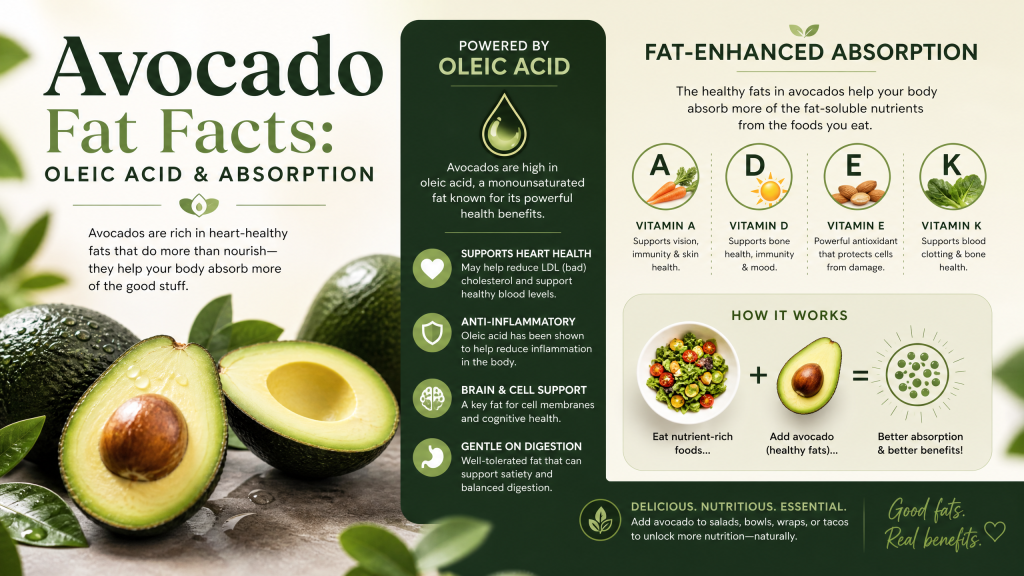
One of the most important fats found in avocados is oleic acid, the same heart-supportive fatty acid commonly found in olive oil. Oleic acid has been widely studied for its ability to reduce inflammation, support cardiovascular function, and improve cholesterol balance.
Unlike trans fats and heavily processed vegetable oils that may contribute to inflammation and metabolic dysfunction, the fats found in avocados support healthy cellular function throughout the body. These healthy fats are essential for hormone production, nutrient absorption, brain health, and energy balance.
Avocados also contain carotenoids such as lutein and zeaxanthin, which are known for supporting eye health and protecting cells from oxidative damage. The combination of healthy fats and antioxidants makes avocados one of the most nutritionally complete plant foods available.
Why Healthy Fats Matter for the Human Body
For many years, dietary fat was unfairly criticized as harmful to health. Modern nutritional science now clearly shows that the quality of fat matters far more than the quantity alone.
The healthy monounsaturated fats central to avocados healthy fats nutrition play a crucial role in maintaining overall wellness. Every cell membrane in the human body depends on healthy fats for structural integrity and communication between cells.
Healthy fats also help the body absorb fat-soluble vitamins including Vitamins A, D, E, and K. Without sufficient dietary fat, many important nutrients cannot be utilized effectively.
Additionally, fats contribute to hormone production, including hormones related to appetite regulation, metabolism, mood stability, and reproductive health. Diets extremely low in healthy fats may negatively affect energy levels, cognitive function, and long-term health outcomes.
The healthy fats in avocados provide sustained energy and greater satiety compared to processed carbohydrates, helping individuals feel full longer after meals.
Heart Health Benefits of Avocados
One of the most researched areas of avocados healthy fats nutrition is cardiovascular protection. Heart disease remains one of the leading causes of death globally, and diet is among the most influential lifestyle factors affecting cardiovascular risk.
The monounsaturated fats found in avocados help reduce levels of LDL cholesterol, commonly known as “bad cholesterol,” while supporting healthier HDL cholesterol levels. Maintaining balanced cholesterol levels reduces plaque buildup inside arteries and supports healthy blood circulation.
Avocados are also rich in potassium, an essential mineral that helps regulate blood pressure by balancing sodium levels in the body. Interestingly, avocados often contain more potassium than bananas.
The antioxidants found in avocados further protect blood vessels from oxidative stress and inflammation, both of which contribute significantly to cardiovascular disease progression.
Research involving Mediterranean-style diets consistently shows that diets rich in healthy fats from foods like avocados and olive oil are associated with lower rates of heart disease, stroke, and premature aging.

Digestive Health and Gut Microbiome Support
The digestive system plays a critical role in overall wellness, and avocados healthy fats nutrition provides multiple benefits for gut health and digestion.
Avocados are an excellent source of dietary fiber, containing both soluble and insoluble fiber. Soluble fiber helps feed beneficial gut bacteria, while insoluble fiber supports healthy bowel movements and digestive regularity.
A healthy gut microbiome contains trillions of beneficial microorganisms that influence immunity, metabolism, mental health, and inflammation levels throughout the body. Fiber-rich foods such as avocados help nourish these beneficial bacteria and improve microbial diversity.
The healthy fats in avocados also assist with nutrient absorption, particularly fat-soluble vitamins and antioxidants from vegetables and plant foods consumed alongside them.
Consistent consumption of fiber-rich whole foods may reduce constipation, support colon health, and lower the risk of digestive disorders over time.
Avocados and Weight Management
Despite their calorie density, avocados can support healthy weight management because of their unique combination of healthy fats and fiber.
One of the key reasons avocados healthy fats nutrition supports weight balance is satiety. Foods rich in fiber and healthy fats slow gastric emptying, helping individuals feel satisfied longer after eating.
This increased fullness may naturally reduce total calorie intake throughout the day without requiring restrictive dieting. Studies consistently show that nutrient-dense whole foods are more effective for long-term weight management than highly processed low-calorie products.
Avocados are also versatile and easy to incorporate into balanced meals. Adding avocado to salads, sandwiches, smoothies, grain bowls, or breakfast dishes can increase nutritional quality while improving meal satisfaction.
Unlike crash diets that often fail over time, sustainable nutrition focuses on foods that naturally regulate appetite and provide lasting nourishment.
Blood Sugar Regulation and Metabolic Wellness
Maintaining healthy blood sugar levels is essential for long-term metabolic health. Poor blood sugar control contributes to insulin resistance, type 2 diabetes, obesity, and cardiovascular disease.
The low sugar content combined with healthy fats and fiber makes avocados healthy fats nutrition highly beneficial for blood glucose stability.
Fiber slows the absorption of carbohydrates into the bloodstream, preventing rapid spikes in blood sugar and excessive insulin release. Meanwhile, healthy fats contribute to slower digestion and more stable energy levels throughout the day.
Research consistently shows that diets rich in fiber and healthy fats improve insulin sensitivity and reduce the risk of metabolic syndrome.
For individuals attempting to maintain energy, reduce cravings, or support metabolic wellness, avocados provide a nutrient-rich addition to balanced dietary patterns.
Anti-Inflammatory and Antioxidant Properties
Chronic inflammation is now recognized as a major contributor to numerous diseases, including arthritis, diabetes, cardiovascular disease, and neurodegenerative disorders.
The antioxidant compounds present in avocados healthy fats nutrition help reduce oxidative stress and inflammation throughout the body.
Vitamin E, carotenoids, and polyphenols found in avocados neutralize harmful free radicals before they damage cells and tissues. The healthy fats in avocados also support anti-inflammatory signaling pathways that help regulate immune function.
Reducing chronic inflammation may improve energy levels, recovery from exercise, joint comfort, and overall resilience against age-related disease.
Athletes and physically active individuals often consume avocados regularly because the combination of potassium, healthy fats, and antioxidants supports muscle recovery and cellular repair.
Skin, Hair, and Anti-Aging Benefits
The nutrients found in avocados are also strongly associated with skin and hair health. Healthy fats help maintain the skin’s protective barrier, preventing dryness and supporting hydration.
Vitamin E provides antioxidant protection against environmental stressors such as pollution and ultraviolet radiation. Vitamin C supports collagen production, which is essential for maintaining skin elasticity and reducing visible signs of aging.
Carotenoids such as lutein and zeaxanthin may also help protect skin from photoaging caused by UV exposure.
The anti-inflammatory properties of avocados healthy fats nutrition further contribute to healthier skin by reducing oxidative damage that accelerates premature aging.
Many people notice improvements in skin texture, hydration, and overall appearance when incorporating more healthy fats and antioxidant-rich foods into their diets consistently.
Brain Function and Cognitive Performance
The brain relies heavily on healthy fats for proper function. The monounsaturated fats found in avocados support healthy blood circulation, including blood flow to the brain.
Improved circulation helps deliver oxygen and nutrients necessary for concentration, memory, and cognitive performance. Emerging research suggests that diets rich in healthy fats and antioxidants may support long-term brain health and reduce the risk of cognitive decline.
The anti-inflammatory compounds associated with avocados healthy fats nutrition may also help protect brain cells from oxidative stress linked to aging and neurodegenerative diseases.
Because stable blood sugar levels are important for mental focus and mood stability, the balanced nutritional profile of avocados may contribute positively to overall cognitive wellness.
How to Add Avocados to Your Daily Diet
One of the greatest advantages of avocados is their versatility. They can easily be included in breakfast, lunch, dinner, or snacks.
Popular ways to enjoy avocados include:
- Sliced on whole-grain toast
- Added to salads and sandwiches
- Blended into smoothies
- Mixed into grain bowls
- Used in guacamole with vegetables and herbs
- Combined with eggs or lean proteins
To maximize nutrient absorption, pair avocados with colorful vegetables rich in carotenoids, such as spinach, carrots, tomatoes, or bell peppers. The healthy fats in avocados significantly increase the body’s ability to absorb fat-soluble antioxidants from these foods.
Consistency is the key to long-term health benefits. Small daily improvements in dietary quality often produce greater long-term results than temporary restrictive eating plans.

Conclusion
The growing popularity of avocados healthy fats nutrition is supported by extensive scientific research and practical nutritional value. Avocados provide a powerful combination of healthy fats, dietary fiber, antioxidants, vitamins, and minerals that support heart health, digestive function, metabolic balance, skin vitality, and cognitive wellness.
Rather than focusing on restrictive diets or short-term nutrition trends, modern wellness increasingly emphasizes whole foods that nourish the body comprehensively. Avocados fit perfectly into this evidence-based approach to long-term health.
By incorporating avocados regularly into a balanced diet rich in plant-based foods, individuals can support both immediate wellness and future health outcomes naturally.
For more evidence-based nutrition insights and wellness resources, explore our complete article collection here: health and nutrition articles
