
Post
Onions Health Benefits Nutrition The Best 2026
May
Onions: Flavor and Health Combined for Wellness
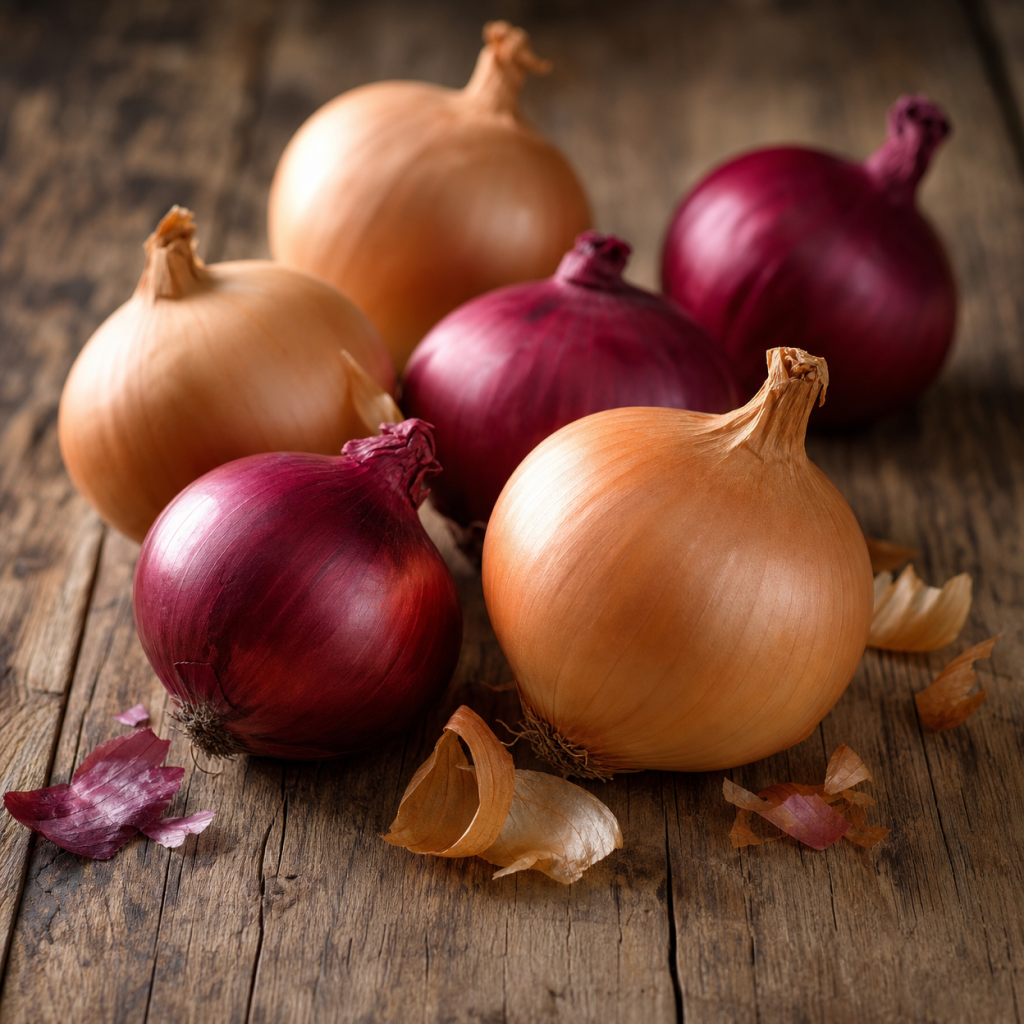
Onions are a staple in kitchens around the world, prized for their ability to add depth and flavor to countless dishes. However, the onions health benefits nutrition are just as impressive as their culinary versatility. Whether eaten raw in salads, caramelized in soups, or sautéed as a base for sauces, the onions health benefits nutrition span multiple body systems — from immunity and heart health to blood sugar regulation, bone strength, and digestive wellness.
Nutritional Profile and Key Nutrients
To fully appreciate the onions health benefits nutrition, it helps to examine what makes this food so nutrient-dense.
One medium onion (about 110 grams) contains approximately 44 calories and provides significant amounts of Vitamin C, Vitamin B6, folate, potassium, manganese, and dietary fiber.
Onions are also one of the richest dietary sources of quercetin, a powerful flavonoid antioxidant, as well as other beneficial plant compounds like sulfur-containing compounds (including allicin and allyl propyl disulfide), anthocyanins (in red onions), and fructooligosaccharides (prebiotic fibers).
These nutrients work synergistically to support bodily functions. The caloric footprint is modest relative to the nutritional value delivered, which is one reason why nutrition experts highlight the onions health benefits nutrition as part of a balanced, health-conscious diet. For a broader understanding of plant-based nutrition, consult this Wikipedia resource on fruits and plant foods.
Heart Health and Cholesterol Reduction
One of the most researched onions health benefits nutrition is cardiovascular protection. Onions contain quercetin and sulfur compounds that help reduce LDL (bad) cholesterol, lower blood pressure, and prevent blood clot formation.
Quercetin is a powerful anti-inflammatory and antioxidant that prevents the oxidation of LDL cholesterol — a critical step in the formation of arterial plaques that lead to atherosclerosis, heart attack, and stroke. Sulfur compounds in onions, including thiosulfinates and cepaines, have been shown to reduce blood viscosity (thickness) and improve blood flow, further reducing the risk of clots.
Studies have found that regular onion consumption can lower total cholesterol by 10-15% and LDL cholesterol by 20-25% in some individuals. Heart disease remains the leading cause of death globally, and dietary choices are among the most powerful modifiable risk factors.
Leveraging the onions health benefits nutrition for cardiovascular protection is an evidence-based strategy supported by decades of nutritional epidemiology. Browse our collection of heart health articles for more guidance.
Blood Sugar Regulation and Diabetes Management
The onions health benefits nutrition for blood sugar control are particularly impressive and well-documented. Onions contain sulfur compounds and quercetin that have been shown to lower blood glucose levels and improve insulin sensitivity. Studies in people with type 2 diabetes have found that consuming 100 grams of raw onion daily significantly reduced fasting blood sugar levels by 15-20% within four weeks.
The mechanisms include inhibiting the breakdown of insulin (allowing it to remain active longer), increasing the secretion of insulin from the pancreas, and improving the uptake of glucose into cells. Onions also contain chromium, a trace mineral that enhances insulin sensitivity.
The fiber in onions, particularly fructooligosaccharides, slows carbohydrate digestion and absorption, preventing post-meal glucose spikes. For individuals managing diabetes or insulin resistance, incorporating onions regularly into meals — whether raw, cooked, or roasted — can be a valuable dietary strategy to complement medical treatment.
Antioxidant Power and Cancer Prevention
Antioxidants are among the most valuable compounds found in onions, forming a core pillar of the onions health benefits nutrition story. Onions are particularly rich in quercetin, one of the most potent naturally occurring antioxidants.
Quercetin has been shown to neutralize free radicals, reduce inflammation, inhibit the growth of cancer cells, and induce apoptosis (programmed cell death) in various cancer cell lines, including colon, breast, prostate, and ovarian cancers.
Red onions also contain anthocyanins, the pigments responsible for their deep color, which have additional antioxidant and anti-cancer properties. The sulfur compounds in onions, including allicin and allyl propyl disulfide, have also been shown to reduce the risk of stomach and colorectal cancers by inhibiting the formation of carcinogenic compounds and speeding up their elimination from the body. Epidemiological studies have found that high onion consumption is associated with a significantly lower risk of several common cancers, reinforcing the onions health benefits nutrition in disease prevention.
Immune System Enhancement
The onions health benefits nutrition for immune health are substantial. Onions are a good source of Vitamin C, providing about 12-15% of the daily recommended intake per medium onion. Vitamin C supports the production and activity of white blood cells, particularly lymphocytes and phagocytes, and helps these cells travel to sites of infection more quickly.
The sulfur compounds in onions, particularly allicin, have natural antibacterial and antiviral properties, helping to fight off infections and reduce the severity of colds and flu. Some studies have shown that regular onion consumption can reduce the frequency and duration of common respiratory infections.
The anti-inflammatory compounds in onions, including quercetin, also support immune regulation by reducing chronic inflammation, which can otherwise weaken the immune system over time. The onions health benefits nutrition for immune enhancement make them a valuable addition to the diet, especially during cold and flu season.
Digestive Health and Prebiotic Benefits
The onions health benefits nutrition for digestive health are primarily due to their high content of fructooligosaccharides (FOS), a type of soluble fiber that acts as a prebiotic. Prebiotics are non-digestible food components that feed beneficial gut bacteria, such as Bifidobacteria and Lactobacillus, helping them grow and thrive.
A healthy gut microbiome is essential for proper digestion, regular bowel movements, nutrient absorption, immune function, and even mental health (via the gut-brain axis). Onions also contain small amounts of insoluble fiber, which adds bulk to stool and speeds up intestinal transit, helping to prevent constipation.
The sulfur compounds in onions may also have mild antimicrobial properties that help control the overgrowth of harmful bacteria in the gut. By consistently including onions in your meals, you support a thriving gut microbiome and experience the full scope of the onions health benefits nutrition for digestive wellness.
Bone Health and Density
One of the lesser-known onions health benefits nutrition relates to bone health. Studies have shown that regular onion consumption is associated with higher bone density and a reduced risk of hip fractures, particularly in older women.
A study of over 5,000 women aged 50 and older found that those who ate onions most frequently had a 20% lower risk of hip fracture compared to those who never ate onions. The mechanisms are not fully understood but may involve the antioxidant and anti-inflammatory properties of quercetin and other compounds, which reduce oxidative stress on bone cells and slow bone resorption (breakdown).
Onions also contain small amounts of calcium, magnesium, and Vitamin C, all of which contribute to bone health. While onions are not as rich in bone-building nutrients as dairy or leafy greens, the onions health benefits nutrition for bone density are significant and well-supported by epidemiological evidence, especially for postmenopausal women at high risk of osteoporosis.
Skin Health and Anti-Inflammatory Effects
The onions health benefits nutrition extend to skin health, primarily through the anti-inflammatory and antioxidant properties of quercetin and Vitamin C. Quercetin has been shown to reduce skin inflammation, redness, and swelling, making it potentially beneficial for conditions like acne, eczema, and psoriasis.
Vitamin C is essential for collagen synthesis, the protein that keeps skin firm, elastic, and youthful. Collagen production naturally declines with age, but adequate Vitamin C intake can slow this process. The antioxidant compounds in onions also protect skin cells from UV damage and environmental pollutants, reducing oxidative stress that leads to premature aging, fine lines, and wrinkles.
While topical onion extract is sometimes used in skincare products, consuming onions regularly provides internal support that complements any topical routine. The anti-inflammatory onions health benefits nutrition also support overall skin clarity and reduce the likelihood of inflammatory skin conditions.
Weight Management and Metabolic Health
Low in calories but rich in flavor and nutrients, onions are an excellent addition to any weight management plan. The onions health benefits nutrition for weight management include their high water content, modest fiber, and ability to add flavor to dishes without adding fat, sugar, or salt. By using onions as a flavor base, you can reduce the need for high-calorie sauces and seasonings.
The prebiotic fiber in onions (FOS) may also contribute to weight management by supporting a healthy gut microbiome, which influences metabolism, appetite regulation, and fat storage. Some research suggests that quercetin may help increase metabolic rate and fat burning, though more studies are needed.
Sustainable weight management requires foods that satisfy hunger while delivering genuine nutritional value — a balance onions achieve naturally. By including them regularly in soups, stews, salads, stir-fries, and roasted vegetable dishes, you can harness the full scope of the onions health benefits nutrition for healthy weight management.
