
Post
Garlic natural antibiotic health
May
Garlic: Nature’s Antibiotic and Health Booster
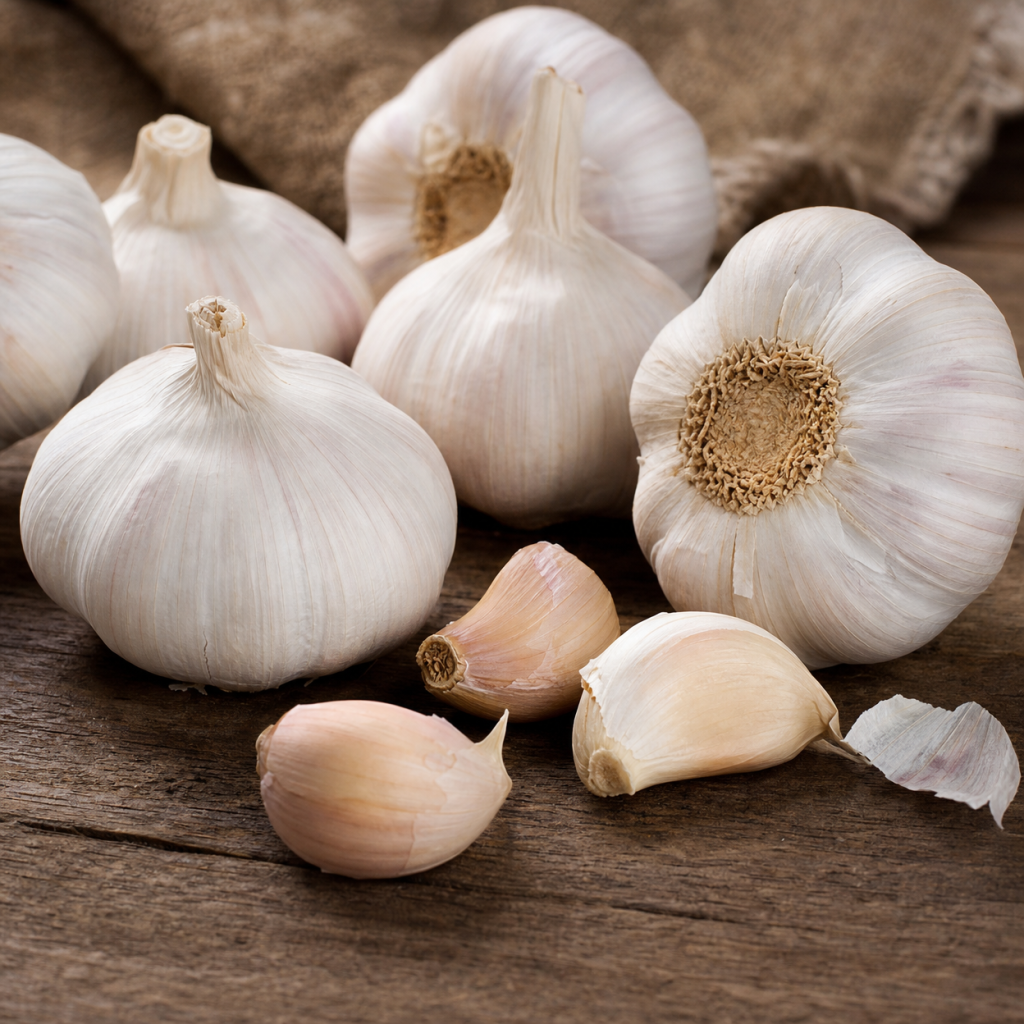
Garlic has been used for both culinary and medicinal purposes for thousands of years, and modern science has confirmed what ancient healers knew: the garlic natural antibiotic health benefits are extraordinary. Whether eaten raw, cooked, or aged in supplements, the garlic natural antibiotic health benefits span multiple body systems — from immune function and heart health to blood pressure regulation, cancer prevention, and digestive wellness.
Nutritional Profile and Key Nutrients
To fully appreciate the garlic natural antibiotic health benefits, it helps to examine what makes this food so potent. One clove of raw garlic (about 3 grams) contains only 4 calories but provides manganese (2% of daily needs), Vitamin C (1%), Vitamin B6, selenium, and fiber. However, the real power of garlic lies in its sulfur-containing compounds, particularly allicin, which is formed when garlic is crushed, chopped, or chewed. Allicin is unstable and quickly converts into other beneficial sulfur compounds, including diallyl disulfide, S-allyl cysteine, and ajoene. These compounds are responsible for most of the garlic natural antibiotic health benefits, including antimicrobial, antioxidant, anti-inflammatory, and cardioprotective effects. The caloric footprint is extremely modest, which is one reason why nutrition experts highlight the garlic natural antibiotic health benefits as part of a balanced, health-conscious diet. For a broader understanding of plant-based nutrition, consult this Wikipedia resource on fruits and plant foods.
Antibacterial and Antiviral Properties
The most famous of the garlic natural antibiotic health benefits is its ability to fight bacteria, viruses, and fungi. Allicin and other sulfur compounds in garlic have been shown to inhibit the growth of a wide range of pathogens, including antibiotic-resistant strains like MRSA (methicillin-resistant Staphylococcus aureus). Garlic is effective against common bacteria such as E. coli, Salmonella, and Streptococcus, as well as fungi like Candida albicans (responsible for yeast infections). It also has antiviral activity against influenza (flu), rhinovirus (common cold), and even herpes simplex. Unlike pharmaceutical antibiotics, which often kill beneficial gut bacteria along with harmful ones, garlic has a more selective antimicrobial effect, potentially allowing beneficial bacteria to survive. Studies have shown that regular garlic consumption can reduce the frequency and duration of colds by 30-50%. To maximize the garlic natural antibiotic health benefits, crush or chop fresh garlic and let it sit for 10 minutes before cooking or eating, as this allows the allicin to form.
Heart Health and Cholesterol Reduction
One of the most well-researched garlic natural antibiotic health benefits is cardiovascular protection. Multiple clinical trials have shown that garlic supplementation can reduce total cholesterol by 5-10% and LDL (bad) cholesterol by 10-15% over a period of 2-4 months. The sulfur compounds in garlic inhibit the enzyme HMG-CoA reductase, the same enzyme targeted by statin drugs, reducing cholesterol production in the liver. Garlic also lowers triglycerides and slightly increases HDL (good) cholesterol. Additionally, garlic reduces blood viscosity (thickness), preventing platelets from clumping together and forming dangerous blood clots that can lead to heart attack or stroke. The antioxidant properties of garlic prevent the oxidation of LDL cholesterol, which is a critical step in the formation of arterial plaques (atherosclerosis). Heart disease remains the leading cause of death globally, and dietary choices are among the most powerful modifiable risk factors. Leveraging the garlic natural antibiotic health benefits for cardiovascular protection is an evidence-based strategy supported by decades of research. Browse our collection of heart health articles for more guidance.
Blood Pressure Regulation
The garlic natural antibiotic health benefits also include significant blood pressure-lowering effects. Clinical studies have found that aged garlic extract (and to a lesser extent, raw garlic) can reduce systolic blood pressure by 7-10 mmHg and diastolic blood pressure by 5-8 mmHg in people with hypertension — an effect comparable to some prescription blood pressure medications. The mechanisms include increasing the production of hydrogen sulfide and nitric oxide, two molecules that relax and dilate blood vessels, improving blood flow and reducing pressure. Garlic also acts as a natural ACE inhibitor, blocking the production of angiotensin II, a hormone that constricts blood vessels. For people with mild to moderate hypertension, incorporating 2-4 cloves of raw or cooked garlic daily can be an effective complementary strategy to dietary changes (reducing sodium, increasing potassium) and medication. However, always consult a healthcare professional before making significant dietary changes if you are on blood pressure medication, as garlic can have additive effects.
Cancer Prevention
One of the most exciting garlic natural antibiotic health benefits is cancer prevention. Population studies have consistently shown that people who consume high amounts of garlic have significantly lower rates of several common cancers, particularly colorectal, stomach, prostate, and breast cancer. A major study in China found that those who ate raw garlic at least twice a week had a 50% lower risk of stomach and colorectal cancers compared to those who ate it less frequently. The sulfur compounds in garlic, particularly diallyl disulfide and S-allyl cysteine, have been shown to inhibit the formation of carcinogens (like nitrosamines), block the activation of cancer-causing substances, induce apoptosis (programmed cell death) in cancer cells, slow tumor growth, and prevent the formation of new blood vessels that feed tumors (anti-angiogenesis). While no single food can prevent cancer outright, the cumulative garlic natural antibiotic health benefits as part of a balanced diet rich in other fruits and vegetables are well-supported by evidence.
Immune System Enhancement
The garlic natural antibiotic health benefits for immune function are substantial and multifaceted. Garlic has been shown to stimulate the activity of several types of immune cells, including macrophages, natural killer (NK) cells, and T-cells, enhancing the body’s ability to detect and destroy pathogens and cancer cells. A 12-week study found that participants taking aged garlic extract had significantly fewer colds and recovered faster when they did get sick compared to the placebo group. The immune-boosting effects are due to both the sulfur compounds (which directly stimulate immune cells) and the antioxidant properties (which protect immune cells from oxidative damage). Garlic also increases the production of cytokines, signaling molecules that coordinate the immune response. During cold and flu season, incorporating raw or lightly cooked garlic into your daily meals can provide meaningful immune support.
Digestive Health and Gut Microbiome
The garlic natural antibiotic health benefits extend to digestive health through several mechanisms. Garlic contains fructooligosaccharides (FOS), a type of soluble fiber that acts as a prebiotic, feeding beneficial gut bacteria like Bifidobacteria and Lactobacillus. A healthy gut microbiome is essential for proper digestion, regular bowel movements, nutrient absorption, and immune function. The antimicrobial properties of garlic also help control the overgrowth of harmful bacteria, yeast, and parasites in the gut, without completely wiping out beneficial bacteria (unlike broad-spectrum antibiotics). Some studies have shown that garlic can help reduce symptoms of dysbiosis (gut microbiome imbalance), including bloating, gas, and irregular bowel movements. Garlic has also been used traditionally to expel intestinal parasites, and some research supports this use. However, for people with very sensitive digestive systems or conditions like IBS (irritable bowel syndrome), raw garlic may cause irritation, and cooked garlic or aged garlic supplements may be better tolerated.
Anti-Inflammatory Effects
Chronic inflammation is at the root of most modern diseases, including arthritis, heart disease, diabetes, and neurodegenerative conditions. The garlic natural antibiotic health benefits include powerful anti-inflammatory properties. The sulfur compounds in garlic have been shown to inhibit the production of pro-inflammatory molecules, including cytokines (like TNF-α and IL-6), prostaglandins, and reactive oxygen species. Garlic also blocks the activation of NF-kB, a protein complex that controls the expression of inflammatory genes. Studies in people with osteoarthritis have found that regular garlic consumption reduces pain and improves mobility. The anti-inflammatory effects of garlic may also protect the brain, reducing the risk of Alzheimer’s and Parkinson’s diseases by lowering neuroinflammation. By consistently including garlic in your diet, you can support a lower overall inflammatory state and reduce your risk of chronic inflammatory conditions.
Bone Health
One of the lesser-known garlic natural antibiotic health benefits is positive effects on bone health. Animal studies have shown that garlic can reduce bone loss and increase bone density by reducing oxidative stress on bone cells and decreasing the activity of osteoclasts (cells that break down bone). A study in postmenopausal women found that those taking dried garlic powder supplements had significantly lower markers of bone resorption (breakdown) compared to the placebo group. The estrogen-like effects of some sulfur compounds in garlic may also help protect bone density after menopause, when estrogen levels drop sharply and bone loss accelerates. While more human research is needed, the existing evidence suggests that regular garlic consumption may support bone health, especially in combination with other bone-building nutrients like calcium and Vitamin D.
How to Maximize the Health Benefits of Garlic
To get the most out of the garlic natural antibiotic health benefits, follow these practical tips. Always crush, chop, or press fresh garlic cloves and let them sit for 10-15 minutes before cooking or eating. This allows the enzyme alliinase to convert alliin into allicin, the most bioactive compound. Cooking garlic immediately after crushing destroys alliinase and reduces allicin formation, so the resting period is essential. Lightly cooking garlic (gentle sautéing for 1-2 minutes) preserves most of the benefits, but high heat or long cooking times degrade allicin. For maximum antimicrobial and immune benefits, eat raw garlic (mixed into salad dressings, dips, or honey). Pair garlic with an acidic ingredient like lemon juice or vinegar to stabilize allicin and reduce the strong odor. If you dislike the smell or have digestive sensitivity, consider aged garlic extract supplements, which are odorless and retain many benefits. Aim for 2-4 cloves of fresh garlic daily, or as recommended by a healthcare professional.
