
Post
Bananas Energy Nutrition Benefits
May
Bananas: Energy in Every Bite for Active Lifestyles
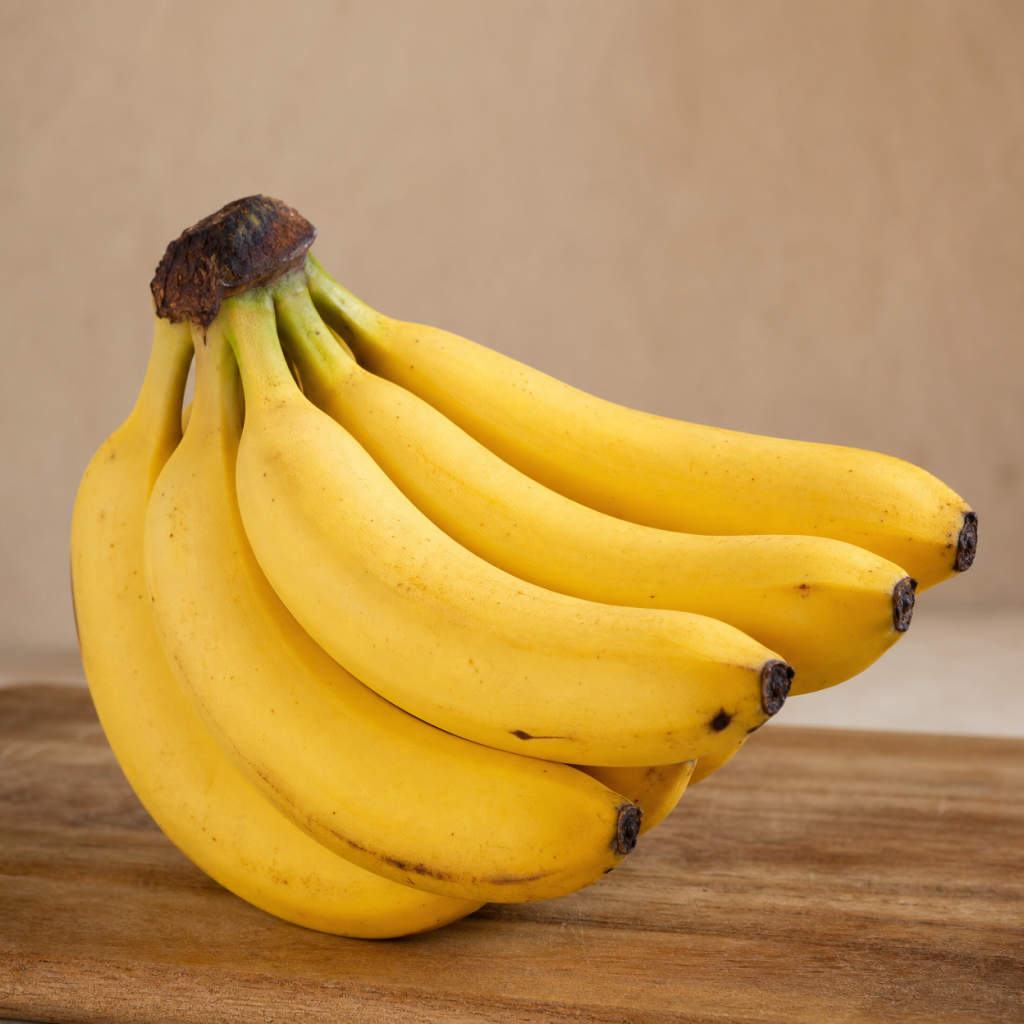
Bananas are one of the most popular fruits in the world, and for good reason. The bananas energy nutrition benefits are driven by their unique combination of easily digestible carbohydrates, potassium, Vitamin B6, and resistant starch (in green bananas). Whether you eat them ripe and sweet or green and starchy, the bananas energy nutrition benefits span multiple body systems — from sustained energy and athletic performance to heart health, digestive wellness, mood regulation, and blood pressure control.
Nutritional Profile and Key Nutrients
To fully appreciate the bananas energy nutrition benefits, it helps to examine what makes this fruit so nutrient-dense. One medium banana (about 120 grams) contains approximately 105 calories and provides 27 grams of carbohydrates (including 3 grams of fiber and 14 grams of natural sugars), 15% of the daily recommended intake of Vitamin C, 20% of Vitamin B6, 10% of potassium, 10% of manganese, and smaller amounts of magnesium, copper, and folate. Green (unripe) bananas contain more resistant starch (a type of fiber that resists digestion) and less sugar, while ripe (yellow) bananas have more easily digestible sugars and higher antioxidant levels. For a broader understanding of plant-based nutrition, consult this Wikipedia resource on fruits and plant foods.
Sustained Energy and Athletic Performance
One of the most direct bananas energy nutrition benefits is sustained energy for physical activity. The carbohydrates in bananas are a mix of simple sugars (glucose and fructose) and complex carbohydrates (starch and resistant starch), providing both immediate and sustained energy. Ripe bananas are excellent for quick energy before or during exercise, as the sugars are rapidly absorbed. A 2012 study comparing bananas to commercial sports drinks found that bananas were equally effective at fueling endurance exercise (75-minute cycling) and provided additional antioxidants not found in sports drinks. Bananas also help prevent muscle cramps during exercise due to their potassium content. For best results, eat one medium banana 30-60 minutes before exercise, or eat half a banana during long-duration activities (over 90 minutes). Post-exercise, bananas help replenish glycogen stores and provide nutrients that support muscle recovery. The bananas energy nutrition benefits make them an ideal pre-workout and post-workout snack for athletes and recreational exercisers alike.
Heart Health and Blood Pressure Regulation
The bananas energy nutrition benefits for cardiovascular health are significant. Bananas are one of the richest dietary sources of potassium, with one medium banana providing about 400-450 milligrams (10% of the daily recommended intake). Potassium is essential for blood pressure regulation, as it helps the kidneys excrete excess sodium and relaxes blood vessel walls, reducing pressure. High potassium intake is associated with a 20-30% lower risk of stroke and heart disease. Bananas also contain magnesium (about 30 milligrams per banana), which supports healthy heart rhythm and helps prevent arrhythmias. The fiber in bananas (3 grams) helps lower LDL (bad) cholesterol, and the Vitamin B6 (20% of the daily recommended intake) reduces levels of homocysteine, an amino acid linked to increased cardiovascular risk. Heart disease remains the leading cause of death globally, and leveraging the bananas energy nutrition benefits for cardiovascular protection is an evidence-based strategy. Browse our collection of heart health articles for more guidance.
Digestive Health and Resistant Starch
The bananas energy nutrition benefits for digestive health are substantial, particularly from green (unripe) bananas. Green bananas contain high levels of resistant starch, a type of fiber that resists digestion in the small intestine and travels to the large intestine, where it ferments and feeds beneficial gut bacteria. Resistant starch acts as a prebiotic, promoting the growth of Bifidobacteria and Lactobacillus, and producing short-chain fatty acids (like butyrate) that nourish colon cells and reduce inflammation. Resistant starch also helps regulate bowel movements, preventing both constipation and diarrhea. Ripe (yellow) bananas contain less resistant starch but more soluble fiber (pectin), which also supports digestive health. For people with irritable bowel syndrome (IBS) or inflammatory bowel disease (IBD), green bananas may be better tolerated than ripe bananas, as they contain less fermentable sugars (FODMAPs). The bananas energy nutrition benefits for gut health make them a valuable food for anyone looking to improve their digestive wellness.
Mood Regulation and Mental Health
One of the most important bananas energy nutrition benefits is mood regulation. Bananas are one of the richest dietary sources of Vitamin B6 (20% of the daily recommended intake per banana), which is essential for the production of several neurotransmitters. Vitamin B6 is required for the synthesis of serotonin (the “feel-good” neurotransmitter that regulates mood, sleep, and appetite), dopamine (motivation and pleasure), and GABA (calming and anxiety reduction). Adequate Vitamin B6 intake is associated with a lower risk of depression and anxiety. Bananas also contain tryptophan, an amino acid that the body converts into serotonin. Some studies have found that eating bananas can improve mood and reduce symptoms of premenstrual syndrome (PMS), including irritability, depression, and bloating. The carbohydrates in bananas also help transport tryptophan across the blood-brain barrier, enhancing its mood-boosting effects. For a natural mood boost, eat a banana with a source of protein (like nuts or yogurt) to stabilize blood sugar and support neurotransmitter production.
Blood Sugar Regulation and Diabetes Management
The bananas energy nutrition benefits for blood sugar control are nuanced but generally positive. The glycemic index (GI) of bananas depends on ripeness: green bananas have a GI of 30-40 (low), while overripe bananas have a GI of 50-60 (medium). The fiber (3 grams) and resistant starch (in green bananas) slow the absorption of sugars, preventing post-meal glucose spikes. For individuals managing diabetes or insulin resistance, eating a slightly green (less ripe) banana is preferable, as the higher resistant starch content reduces the glycemic impact. Portion control is also important — one medium banana provides 14-20 grams of sugar (naturally occurring), which is reasonable as a snack but should be accounted for within total daily carbohydrate intake. Large observational studies have found that moderate banana consumption (one per day) is not associated with increased diabetes risk and may even reduce it when compared to processed sugary snacks. The bananas energy nutrition benefits for metabolic health are best realized when bananas are eaten as whole fruit, not in smoothies or baked goods that may contain added sugar.
Kidney Health and Kidney Stone Prevention
The bananas energy nutrition benefits for kidney health are significant. The high potassium content of bananas helps prevent the formation of calcium-based kidney stones by reducing calcium excretion in the urine and increasing urinary citrate (which inhibits stone formation). A large-scale study of over 90,000 women found that those with the highest potassium intake (from fruits and vegetables, including bananas) had a 35-40% lower risk of developing kidney stones over 12 years. For people with healthy kidney function, eating one banana daily is beneficial. However, individuals with advanced kidney disease (chronic kidney disease stage 4 or 5) must monitor potassium intake, as their kidneys may not be able to excrete excess potassium, leading to dangerous hyperkalemia (high blood potassium). Always consult a healthcare professional if you have kidney disease before increasing banana consumption.
Antioxidant Power and Anti-Aging Effects
The bananas energy nutrition benefits include antioxidant and anti-aging effects. Ripe (yellow) bananas contain dopamine and catechins, which act as antioxidants, neutralizing free radicals that damage cells and contribute to aging and chronic diseases. As bananas ripen, their antioxidant content increases — overripe bananas with brown spots have the highest levels of dopamine and catechins. The Vitamin C in bananas (15% of the daily recommended intake) also has antioxidant properties. Studies have found that regular banana consumption is associated with reduced markers of oxidative stress in the blood. By reducing oxidative stress throughout the body, the bananas energy nutrition benefits support long-term health and may slow the aging process. For maximum antioxidant benefits, eat bananas when they are ripe (yellow with some brown spots) rather than green.
Bone Health and Magnesium
The bananas energy nutrition benefits for bone health are modest but meaningful. Bananas contain magnesium (about 30 milligrams per banana, or 8-10% of the daily recommended intake), which is essential for bone density. Magnesium helps regulate calcium transport and activates Vitamin D in the kidneys, both of which are necessary for proper bone mineralization. Adequate magnesium intake is associated with higher bone mineral density and a lower risk of fractures and osteoporosis, especially in postmenopausal women. Bananas also contain small amounts of other bone-supporting nutrients, including potassium (which reduces calcium loss in urine) and manganese. While bananas are not as rich in bone-building nutrients as dairy or leafy greens, they contribute to overall mineral intake, especially for people who follow plant-based diets.
How to Maximize the Health Benefits of Bananas
To get the most out of the bananas energy nutrition benefits, follow these practical tips. For sustained energy and athletic performance, eat ripe (yellow) bananas 30-60 minutes before exercise. For blood sugar management and gut health, eat slightly green (unripe) bananas, which have more resistant starch. For antioxidant benefits, eat bananas when they are fully ripe (yellow with brown spots). Store bananas at room temperature; refrigerating them stops the ripening process but does not harm the fruit (the skin may turn black, but the inside is fine). For people with diabetes or IBS, limit to one small banana per day, and choose less ripe bananas. Avoid banana chips (which are fried and often contain added sugar and salt) and most banana-flavored products (which contain artificial flavors and little real banana). Aim for one medium banana daily for general health benefits. Pregnant women can safely consume bananas, and the Vitamin B6 content may help reduce morning sickness.
