
Post
Watermelon Health Hydration Benefits Best 2026
May
Watermelon: Summer Refreshment and Health Benefits
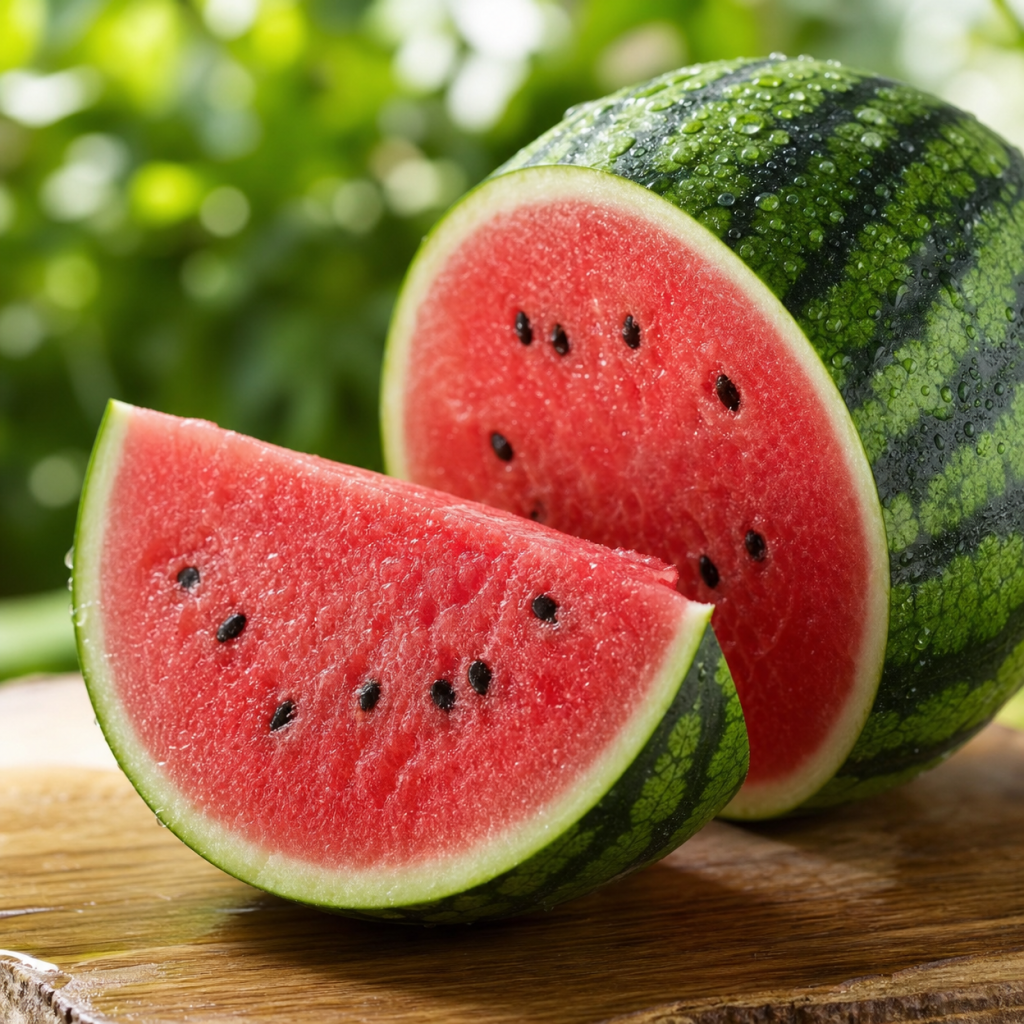
Watermelon is the ultimate summer fruit, but its health benefits go far beyond hydration. The watermelon health hydration benefits are driven by an exceptional combination of water (92%), lycopene (the same heart-healthy antioxidant found in tomatoes), citrulline (an amino acid that improves blood flow), and Vitamins A, C, and B6.
Whether you enjoy it fresh, in smoothies, or as a cold soup, the watermelon health hydration benefits span multiple body systems — from hydration and heart health to muscle recovery, skin protection, and blood pressure regulation.
Nutritional Profile and Key Nutrients
To fully appreciate the watermelon health hydration benefits, it helps to examine what makes this fruit so powerful. One cup of fresh watermelon chunks (about 150 grams) contains approximately 45 calories and provides 92% water, 14-17% of the daily recommended intake of Vitamin C, 10-15% of Vitamin A (from beta-carotene), 5-10% of Vitamin B6, 5-10% of potassium, and small amounts of magnesium and fiber.
The most notable compounds in watermelon, however, are lycopene (a carotenoid antioxidant) and citrulline (an amino acid). Watermelon is one of the richest dietary sources of lycopene, comparable to tomatoes, and the lycopene in watermelon is highly bioavailable. For a broader understanding of plant-based nutrition, consult this Wikipedia resource on fruits and plant foods.
Hydration and Cellular Function
One of the most immediate watermelon health hydration benefits is its exceptional water content. At 92% water, watermelon is one of the most hydrating foods available. Proper hydration is essential for virtually every bodily function, including temperature regulation, nutrient transport, joint lubrication, digestion, and cognitive performance. Even mild dehydration (loss of 1-2% of body water) can impair concentration, increase fatigue, reduce physical performance, and cause headaches.
By including water-rich foods like watermelon in your diet, you can maintain hydration more consistently throughout the day, especially during hot weather or after exercise when fluid loss is higher. The water in watermelon also contributes to the feeling of fullness, which aids in weight management.
The electrolytes in watermelon (potassium and magnesium) help replace minerals lost through sweat, making it an excellent post-exercise snack. The watermelon health hydration benefits for fluid balance are particularly valuable for older adults, who may have a diminished sense of thirst and be at higher risk of dehydration.
Heart Health and Lycopene
The watermelon health hydration benefits for cardiovascular protection are significant. Watermelon is one of the richest dietary sources of lycopene, a carotenoid antioxidant that gives watermelon its red color. One cup of watermelon provides about 7-10 milligrams of lycopene, comparable to a medium tomato.
Lycopene has been shown to reduce LDL (bad) cholesterol oxidation, lower blood pressure, improve endothelial function (the ability of blood vessels to relax and dilate), and reduce inflammation — all of which protect against heart disease and stroke.
Clinical studies have found that eating watermelon daily can reduce systolic blood pressure by 5-10 mmHg in people with hypertension. The citrulline in watermelon also contributes to heart health by increasing the production of nitric oxide, a molecule that relaxes blood vessels.
The potassium in watermelon (about 170-200 milligrams per cup) helps regulate blood pressure by counteracting sodium. Heart disease remains the leading cause of death globally, and leveraging the watermelon health hydration benefits for cardiovascular protection is an evidence-based strategy. Browse our collection of heart health articles for more guidance.
Muscle Recovery and Citrulline
One of the most important watermelon health hydration benefits for athletes and active individuals is muscle recovery. Watermelon is rich in citrulline, an amino acid that the body converts into arginine (another amino acid) and then into nitric oxide.
Nitric oxide improves blood flow to muscles, reduces muscle soreness, and speeds recovery after intense exercise. Clinical studies have found that drinking watermelon juice (500 ml) or eating fresh watermelon 1-2 hours before exercise can reduce perceived muscle soreness (delayed onset muscle soreness, or DOMS) by 30-40% and lower heart rate recovery time.
For best results, eat watermelon with the white rind, as the rind contains the highest concentration of citrulline. A 2017 study found that athletes who consumed watermelon juice enriched with rind had significantly less muscle soreness 24-72 hours after exercise compared to a placebo group. The watermelon health hydration benefits for muscle recovery make it an excellent natural alternative to commercial recovery drinks, which often contain added sugar and artificial ingredients.
Blood Pressure Regulation
The watermelon health hydration benefits for blood pressure regulation are substantial. The combination of lycopene, citrulline, and potassium works synergistically to lower blood pressure. Lycopene reduces inflammation in blood vessel walls, citrulline increases nitric oxide production (which relaxes blood vessels), and potassium helps the kidneys excrete excess sodium.
A meta-analysis of 10 clinical trials found that watermelon consumption significantly reduced both systolic and diastolic blood pressure in people with prehypertension and stage 1 hypertension, with an average reduction of 7-10 mmHg for systolic and 3-5 mmHg for diastolic.
The effects are most pronounced within 3-6 hours of consumption and last for several hours. For people with high blood pressure, eating 1-2 cups of fresh watermelon daily can be a valuable complementary strategy to dietary changes (reducing sodium, increasing potassium) and medication. Always consult a healthcare professional before making significant dietary changes if you are on blood pressure medication.
Eye Health and Vitamin A
The watermelon health hydration benefits for eye health are significant. Watermelon provides about 10-15% of the daily recommended intake of Vitamin A per cup, primarily from beta-carotene (which the body converts into Vitamin A).
Vitamin A is essential for vision — it is a component of rhodopsin, the pigment in the retina that allows the eye to see in low light conditions. Vitamin A deficiency is a leading cause of preventable blindness worldwide, contributing to night blindness, dry eyes, and corneal ulcers.
Watermelon also contains small amounts of lutein and zeaxanthin, two carotenoids that accumulate in the macula and protect against age-related macular degeneration (AMD) and cataracts. While watermelon is not as rich in lutein as leafy greens, it contributes to overall intake, especially during summer when fresh leafy greens may be less available.
Digestive Health and Hydration
The watermelon health hydration benefits for digestive health are significant, primarily due to the water and fiber content. The high water content (92%) helps soften stool and prevent constipation, while the small amount of fiber (about 1 gram per cup) adds bulk.
For people with chronic constipation, eating water-rich foods like watermelon along with other fiber-rich foods (like whole grains, beans, and vegetables) can provide gentle, natural relief. The water in watermelon also helps maintain the mucosal lining of the digestive tract and supports the growth of beneficial gut bacteria.
However, people with irritable bowel syndrome (IBS) or fructose malabsorption should be cautious, as watermelon contains FODMAPs (fermentable carbohydrates) that can trigger bloating and gas in sensitive individuals.
Skin Health and UV Protection
The watermelon health hydration benefits for skin health are notable. The high water content helps hydrate the skin from within, contributing to a plump, dewy complexion and reducing dryness. The lycopene in watermelon has been shown to protect skin from UV damage by absorbing harmful rays and neutralizing free radicals generated by sun exposure.
Studies have found that regular consumption of lycopene-rich foods (like watermelon and tomatoes) can reduce sunburn severity by 30-40% and lower the long-term risk of skin cancer. The Vitamin C in watermelon is essential for collagen synthesis, the protein that keeps skin firm and elastic.
For maximum skin benefits, eat watermelon with the white rind, which contains additional citrulline and antioxidants. While watermelon cannot replace sunscreen, it provides an additional layer of internal protection.
How to Maximize the Health Benefits of Watermelon
To get the most out of the watermelon health hydration benefits, follow these practical tips. Eat watermelon with the white rind whenever possible — the rind contains the highest concentration of citrulline (for muscle recovery and blood pressure) and additional fiber. Watermelon seeds are also edible and nutritious (roast them for a crunchy snack).
Choose seedless watermelon for convenience, but seeded watermelon has slightly more nutrients. Store uncut watermelon at room temperature for maximum lycopene content; cut watermelon should be refrigerated and eaten within 3-5 days. For athletic recovery, eat watermelon within 30-60 minutes after exercise.
For blood pressure benefits, eat 1-2 cups daily. Avoid watermelon juice that has added sugar, or make your own with no added sugar and include the rind. Aim for 1-2 cups of fresh watermelon 3-5 times per week during watermelon season. Pregnant women can safely consume watermelon, and the high water content helps prevent dehydration and constipation during pregnancy.
