
Post
Green Beans Nutrition Health – Benefits, Nutrition, and Easy Recipes
May
Green Beans: Crunchy, Healthy, and Nutrient-Dense
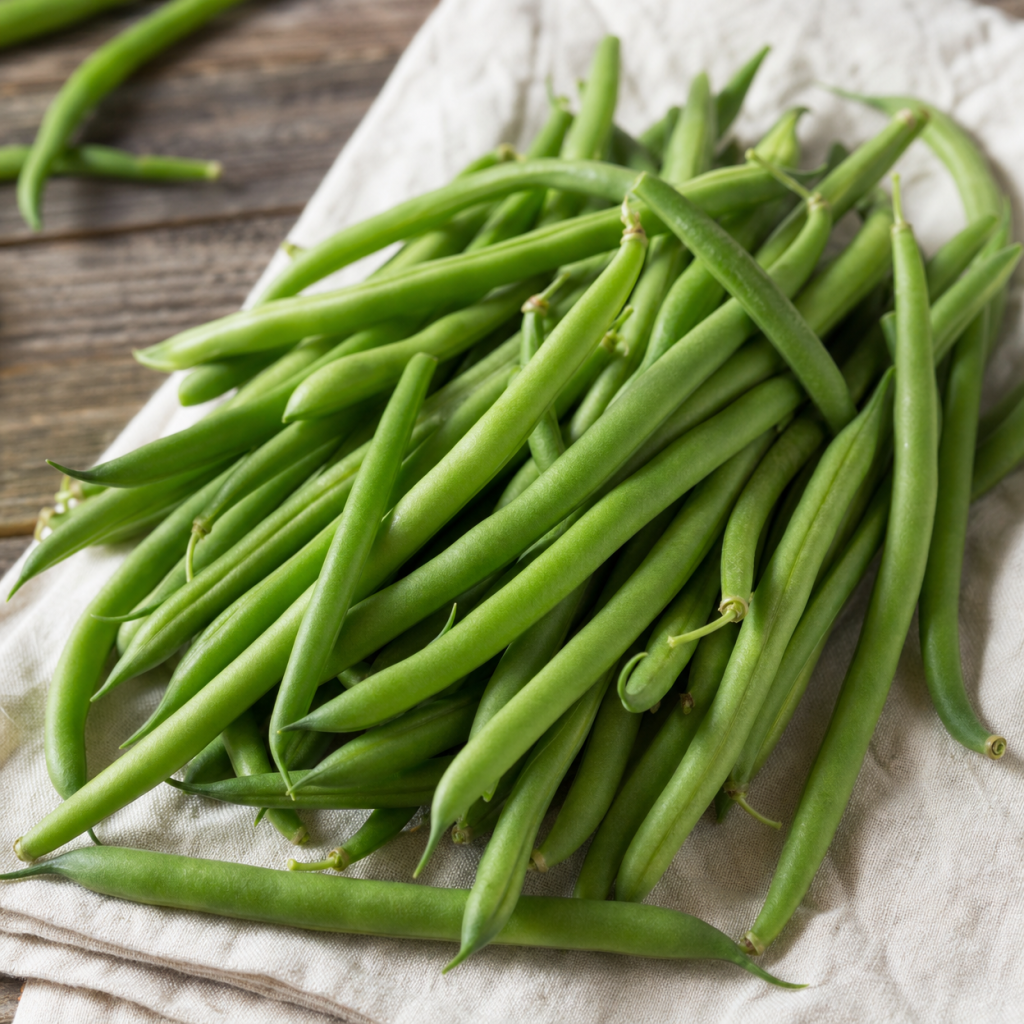
Green beans (also known as string beans or snap beans) are a common but often underappreciated vegetable. The green beans nutrition health benefits are driven by their rich array of vitamins (particularly Vitamin K, Vitamin C, and folate), minerals (manganese and magnesium), fiber, and plant compounds like chlorophyll and flavonoids. Whether you enjoy them steamed, sautéed, roasted, or raw, the green beans nutrition health benefits span multiple body systems — from bone health and blood clotting to immune function, digestion, heart health, and blood sugar regulation.
Nutritional Profile and Key Nutrients
To fully appreciate the green beans nutrition health benefits, it helps to examine what makes this vegetable so nutrient-dense. One cup of raw green beans (about 100 grams) contains only 31 calories but provides significant amounts of Vitamin K (about 20% of the daily recommended intake), Vitamin C (15%), Vitamin A (10% from beta-carotene), folate (10%), manganese (10-15%), and fiber (3 grams). Green beans also contain smaller amounts of Vitamin B1 (thiamine), Vitamin B2 (riboflavin), Vitamin B6, calcium, iron, magnesium, potassium, and silicon. The green color comes from chlorophyll, which itself has health benefits, and green beans also contain flavonoids (including quercetin and kaempferol) and carotenoids (lutein and beta-carotene). For a broader understanding of plant-based nutrition, consult this Wikipedia resource on fruits and plant foods.
Bone Health and Vitamin K
One of the most significant green beans nutrition health benefits is bone health. One cup of green beans provides about 20% of the daily recommended intake of Vitamin K. Vitamin K is essential for bone mineralization, as it activates osteocalcin, a protein that binds calcium to the bone matrix, making bones stronger and reducing the risk of fractures and osteoporosis. Without adequate Vitamin K, calcium can be deposited in soft tissues like arteries (leading to calcification) instead of bones. While green beans are not as rich in Vitamin K as leafy greens (like kale or spinach), they contribute meaningfully to overall intake, especially for people who do not eat many dark leafy greens. For postmenopausal women, who are at higher risk of osteoporosis, consuming a variety of Vitamin K-rich vegetables (including green beans) as part of a balanced diet supports overall bone health. The green beans nutrition health benefits for bone health are enhanced when combined with adequate calcium and Vitamin D intake.
Blood Clotting and Wound Healing
The green beans nutrition health benefits for blood clotting are directly related to the Vitamin K content. Vitamin K is essential for the production of several clotting factors in the liver, including prothrombin (Factor II), Factor VII, Factor IX, and Factor X. Without adequate Vitamin K, the blood cannot clot properly, leading to excessive bleeding and poor wound healing. This is why newborn babies receive a Vitamin K injection shortly after birth. For people taking blood-thinning medications (like warfarin/Coumadin), it is important to maintain a consistent intake of Vitamin K-rich foods (including green beans) and consult with a healthcare professional, as sudden changes in Vitamin K intake can affect medication effectiveness.
Immune System Enhancement
The green beans nutrition health benefits for immune function are substantial. One cup of green beans provides about 15% of the daily recommended intake of Vitamin C. Vitamin C supports the production and activity of white blood cells, particularly lymphocytes and phagocytes, and helps these cells travel to sites of infection more quickly. Vitamin C also acts as a powerful antioxidant, protecting immune cells from oxidative damage during periods of illness or stress. Green beans also contain small amounts of Vitamin A (from beta-carotene), which supports the integrity of mucosal barriers (the body’s first line of defense), and folate, which is necessary for white blood cell production. During cold and flu season, incorporating green beans into stir-fries, soups, or as a steamed side dish can provide meaningful immune support.
Digestive Health and Fiber Content
The green beans nutrition health benefits for digestive health are significant. One cup of green beans provides about 3 grams of dietary fiber, a mix of soluble and insoluble fiber. Soluble fiber helps regulate bowel movements by absorbing water and forming a gel-like substance in the gut, which softens stool and prevents constipation. Insoluble fiber adds bulk to stool and speeds up intestinal transit, reducing the time that potential carcinogens stay in contact with the intestinal lining. The fiber in green beans also acts as a prebiotic, feeding beneficial gut bacteria like Bifidobacteria and Lactobacillus, helping them grow and thrive. A healthy gut microbiome is essential for proper digestion, regular bowel movements, nutrient absorption, immune function, and even mental health. For people with chronic constipation, eating green beans regularly (steamed or roasted) can provide gentle, natural relief.
Heart Health and Cholesterol Reduction
The green beans nutrition health benefits extend to cardiovascular protection. The fiber in green beans helps lower LDL (bad) cholesterol by binding to it in the digestive tract and removing it from the body before it enters the bloodstream. The folate in green beans (about 10% of the daily recommended intake per cup) reduces levels of homocysteine, an amino acid linked to increased risk of heart attack and stroke when present in high amounts. The potassium in green beans (about 150 milligrams per cup) helps regulate blood pressure by counteracting sodium and relaxing blood vessel walls. The antioxidants in green beans, including Vitamin C and flavonoids (quercetin, kaempferol), prevent the oxidation of LDL cholesterol, which is a critical step in the formation of arterial plaques (atherosclerosis). Heart disease remains the leading cause of death globally, and leveraging the green beans nutrition health benefits for cardiovascular protection is an evidence-based strategy. Browse our collection of heart health articles for more guidance.
Blood Sugar Regulation
The green beans nutrition health benefits for blood sugar control are significant. Green beans have a very low glycemic index (around 15-20) and are low in calories and carbohydrates (one cup contains only 4-5 grams of digestible carbohydrates). The fiber in green beans slows the absorption of any sugars present, preventing post-meal glucose spikes. Additionally, some studies have suggested that the flavonoids in green beans (particularly quercetin) may improve insulin sensitivity. For individuals managing diabetes or insulin resistance, green beans are an excellent choice as they can be eaten freely without worrying about blood sugar spikes. The green beans nutrition health benefits for metabolic health make them a safe and beneficial food for anyone concerned about blood glucose management, including those on low-carb or diabetic diets.
Antioxidant Power and Cellular Protection
Antioxidants are among the most valuable compounds in green beans, forming a core pillar of the green beans nutrition health benefits story. Green beans contain Vitamin C, beta-carotene (converted to Vitamin A), and flavonoids like quercetin and kaempferol. These compounds neutralize free radicals — unstable molecules that damage cells, DNA, and contribute to aging and chronic diseases like cancer, heart disease, and Alzheimer’s. Quercetin, in particular, has been studied for its anti-inflammatory and anti-cancer properties, including inhibiting the growth of cancer cells and reducing the risk of certain cancers. The chlorophyll in green beans (the pigment that makes them green) also has antioxidant and detoxifying properties, helping to bind to potential carcinogens and facilitate their elimination from the body. By reducing oxidative stress throughout the body, the green beans nutrition health benefits support long-term health and slow the aging process.
Pregnancy and Folate Content
The green beans nutrition health benefits for pregnancy are significant. One cup of green beans provides about 10% of the daily recommended intake of folate (Vitamin B9). Folate is essential for preventing neural tube defects (such as spina bifida) in the developing fetus, as it is required for proper neural tube closure during the first trimester of pregnancy. Folate is also necessary for DNA synthesis, cell division, and red blood cell production. Pregnant women are advised to consume at least 400-600 micrograms of folate daily from a combination of food sources (like green beans, leafy greens, beans, and lentils) and supplements. The green beans nutrition health benefits for pregnancy also include the fiber content, which helps prevent pregnancy-related constipation, and the iron content, which supports the increased blood volume during pregnancy.
How to Maximize the Health Benefits of Green Beans
To get the most out of the green beans nutrition health benefits, follow these practical tips. Fresh green beans are best, but frozen green beans are a good second choice (they are often frozen at peak ripeness, preserving nutrients). Canned green beans often contain added salt (sodium) and lose some nutrients during canning — choose no-salt-added varieties and rinse before eating. To preserve nutrients, steam green beans for 3-5 minutes until bright green and tender-crisp, or sauté them quickly in a small amount of olive oil with garlic. Avoid boiling green beans for long periods, as this leaches water-soluble vitamins (like Vitamin C and folate) into the water. Green beans can also be eaten raw in salads or with dips (like hummus). For maximum fiber and nutrient retention, eat the whole bean (do not remove the “strings” unless they are tough). Aim for 1-2 cups of green beans 3-5 times per week for general health benefits. Pregnant women can safely consume green beans, and the folate content is particularly beneficial.
