
Post
Corn nutrition health benefits best 2026
May
Corn: Sweet, Delicious, and Surprisingly Nutritious
Corn is often misunderstood as a “junk food” or empty calorie, but fresh corn (especially on the cob) is surprisingly nutritious.
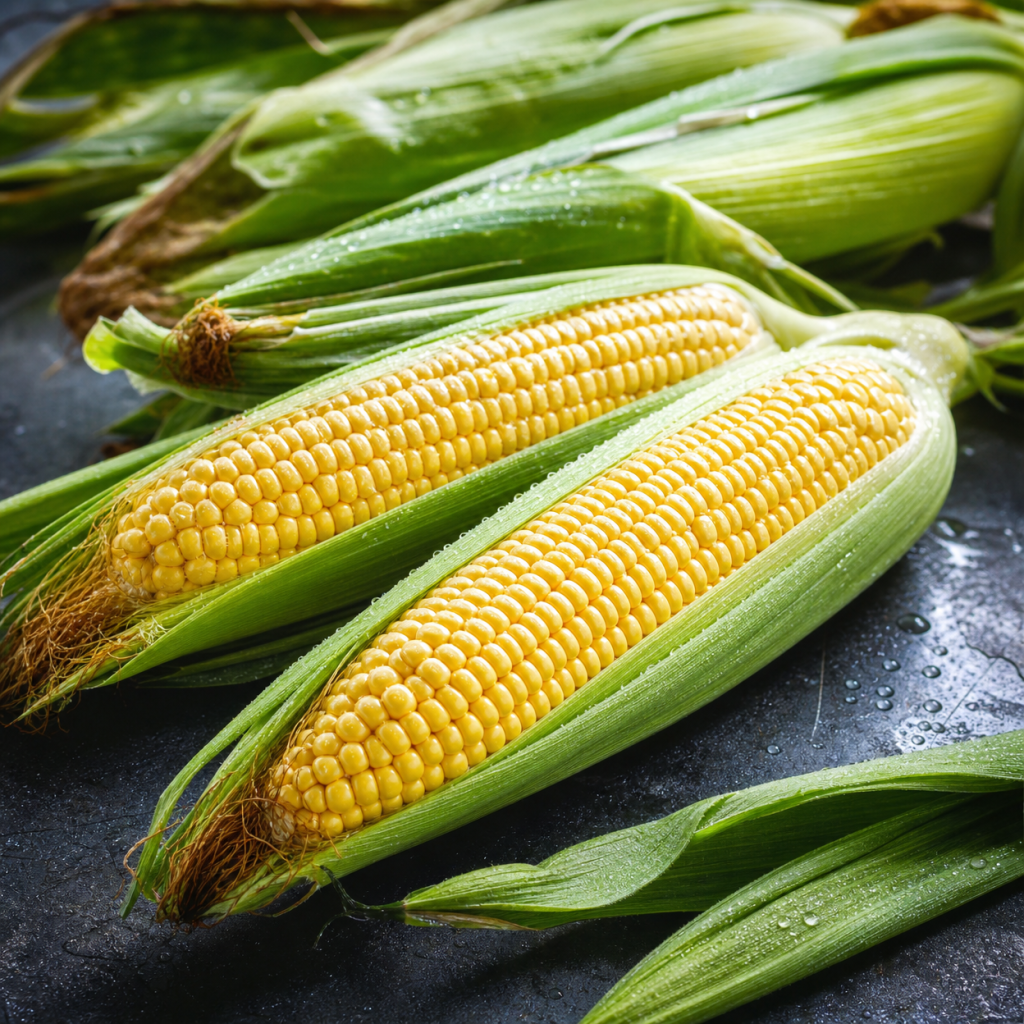
The corn nutrition health benefits are driven by its rich array of fiber, antioxidants (particularly lutein and zeaxanthin), B vitamins, and minerals. Whether you enjoy it grilled, boiled, or steamed, the corn nutrition health benefits span multiple body systems — from eye health and digestion to heart health, energy production, and blood sugar regulation.
Nutritional Profile and Key Nutrients
To fully appreciate the corn nutrition health benefits, it helps to examine what makes this grain-vegetable so nutrient-dense. One medium ear of yellow corn (about 100 grams) contains approximately 90 calories and provides significant amounts of fiber (2-3 grams), Vitamin B1 (thiamine, 15% of the daily recommended intake), Vitamin B5 (pantothenic acid), Vitamin B9 (folate), Vitamin C (5-10%), magnesium (5-10%), potassium (5-10%), and phosphorus. Corn is also rich in lutein and zeaxanthin — two carotenoid antioxidants that are crucial for eye health — as well as ferulic acid and other phenolic compounds. The yellow and red varieties contain more carotenoids, while white corn has fewer. For a broader understanding of plant-based nutrition, consult this Wikipedia resource on fruits and plant foods.
Eye Health and Vision Protection
One of the most significant corn nutrition health benefits is eye health. Yellow corn is exceptionally rich in lutein and zeaxanthin, two carotenoid antioxidants that accumulate in the macula of the retina and protect against age-related macular degeneration (AMD) and cataracts — two of the leading causes of blindness in older adults. These compounds act as natural sunglasses, filtering out harmful blue light (emitted by computer screens, smartphones, and the sun) and neutralizing free radicals generated by UV exposure. Studies have shown that people with higher dietary intakes of lutein and zeaxanthin have a 30-40% lower risk of developing AMD. One cup of cooked yellow corn contains about 2 milligrams of lutein and zeaxanthin — a significant amount considering the recommended daily intake is 6-10 milligrams. The corn nutrition health benefits for eye health make it a valuable addition to the diet, especially for older adults and those who spend long hours in front of screens.
Digestive Health and Fiber Content
The corn nutrition health benefits for digestive health are significant. One medium ear of corn provides about 2-3 grams of dietary fiber, a mix of soluble and insoluble fiber. Insoluble fiber (the majority) adds bulk to stool and speeds up intestinal transit, reducing the time that potential carcinogens stay in contact with the intestinal lining and helping to prevent constipation, hemorrhoids, and diverticular disease. The insoluble fiber in corn is also a prebiotic, feeding beneficial gut bacteria in the large intestine. However, note that the outer husk of the corn kernel is made of cellulose, which humans cannot digest — this is why you may see whole corn kernels in your stool, which is normal. For maximum digestive benefits, eat corn on the cob or corn kernels, not highly processed corn products (like corn syrup, corn starch, or refined cornmeal), which have had the fiber removed.
Heart Health and Cholesterol Reduction
The corn nutrition health benefits extend to cardiovascular protection. The fiber in corn helps lower LDL (bad) cholesterol by binding to it in the digestive tract and removing it from the body before it enters the bloodstream. The lutein and zeaxanthin in corn have also been shown to reduce the oxidation of LDL cholesterol, which is a critical step in the formation of arterial plaques (atherosclerosis). Corn contains folate (about 10% of the daily recommended intake per ear), which reduces levels of homocysteine, an amino acid linked to increased risk of heart attack and stroke when present in high amounts. The potassium in corn (about 200 milligrams per ear) helps regulate blood pressure by counteracting sodium. Heart disease remains the leading cause of death globally, and leveraging the corn nutrition health benefits for cardiovascular protection is an evidence-based strategy. Browse our collection of heart health articles for more guidance.
Energy Production and B Vitamins
The corn nutrition health benefits for energy production are substantial. Corn is rich in B vitamins, particularly thiamine (Vitamin B1), pantothenic acid (Vitamin B5), and folate. Thiamine is essential for converting carbohydrates into glucose, which the body uses for energy. A deficiency in thiamine causes fatigue, weakness, and nerve damage. Pantothenic acid is a component of coenzyme A, which is involved in the metabolism of fats, proteins, and carbohydrates for energy production. Folate is necessary for DNA synthesis and red blood cell formation. The complex carbohydrates in corn (about 20 grams per ear) provide sustained energy without the rapid spikes and crashes associated with refined sugars. For athletes, active individuals, or anyone who needs a steady supply of energy throughout the day, eating corn as part of a balanced meal can provide fuel without the “sugar crash.”
Antioxidant Power and Disease Prevention
Antioxidants are among the most valuable compounds in corn, forming a core pillar of the corn nutrition health benefits story. In addition to lutein and zeaxanthin, corn contains ferulic acid, a phenolic compound with potent antioxidant and anti-inflammatory properties. Ferulic acid has been shown to neutralize free radicals, reduce inflammation, and inhibit the growth of cancer cells in laboratory studies. The anthocyanins in blue, purple, and red corn varieties are even more potent antioxidants and have been linked to reduced risk of heart disease, diabetes, and certain cancers. Studies have found that regular consumption of whole corn (not processed corn products) is associated with reduced markers of oxidative stress in the blood. By reducing oxidative stress throughout the body, the corn nutrition health benefits support long-term health and slow the aging process.
Blood Sugar Regulation
The corn nutrition health benefits for blood sugar control are often misunderstood. Fresh corn has a medium glycemic index (GI of 52-65 depending on the variety and preparation), which is lower than white rice (GI 73) or white bread (GI 75) but higher than most non-starchy vegetables. The fiber in corn (2-3 grams per ear) slows the absorption of sugars, preventing post-meal glucose spikes. However, for people with diabetes or insulin resistance, portion control is important — one ear of corn is a reasonable serving (15-20 grams of digestible carbohydrates). Avoid highly processed corn products like corn syrup, corn flakes, and corn chips, which have high GIs and low nutrient density. Eating corn with the fiber intact (on the cob or kernels) is far healthier than processed corn products. The corn nutrition health benefits for blood sugar are best realized when corn is part of a balanced meal that includes protein, healthy fats, and other low-GI vegetables.
Bone Health and Minerals
The corn nutrition health benefits for bone health are modest but meaningful. Corn contains magnesium (about 15-20 milligrams per ear), phosphorus (about 50-60 milligrams), and small amounts of calcium and zinc. Magnesium is essential for bone density, as it helps regulate calcium transport and activates Vitamin D in the kidneys. Phosphorus is a major structural component of bones (about 85% of the body’s phosphorus is in bones and teeth). While corn is not as rich in bone-building nutrients as dairy or leafy greens, it contributes to overall mineral intake. For maximum bone health benefits, eat corn as part of a varied diet that includes other magnesium- and calcium-rich foods.
How to Maximize the Health Benefits of Corn
To get the most out of the corn nutrition health benefits, follow these practical tips. Fresh corn on the cob is healthiest; frozen corn is second best; canned corn often contains added salt and sugar (choose no-salt-added varieties when possible). Avoid highly processed corn products like corn syrup, corn starch, corn flakes, and most packaged corn chips. To preserve nutrients, steam or boil corn for just 3-5 minutes, or grill it with the husk on. Overcooking reduces antioxidant content. Eat corn with a small amount of healthy fat (like butter, olive oil, or avocado) to improve the absorption of lutein and zeaxanthin, which are fat-soluble. The corn nutrition health benefits are best realized when corn is eaten as a whole food, not as processed ingredients. Aim for 1-2 ears of fresh corn or 1 cup of corn kernels 2-3 times per week during corn season. Pregnant women can safely consume corn, and the folate content is beneficial for preventing neural tube defects.
