
Post
Cucumber Hydration Health Benefits Vegetable – Benefits, Nutrition, and Uses the best
May
Cucumbers: The Perfect Hydrating Vegetable for Your Health
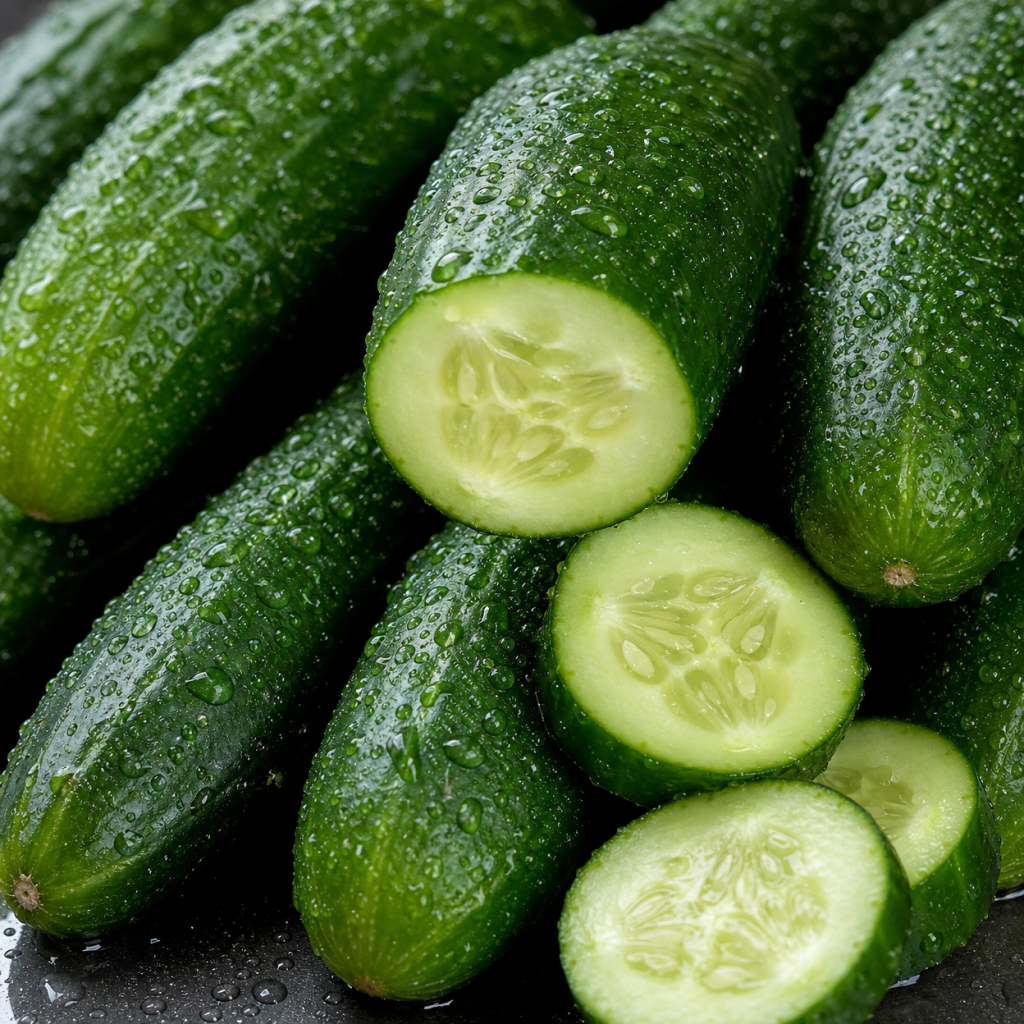
When it comes to hydration and light nutrition, few vegetables rival the cucumber. Celebrated for cucumber hydration health benefits across cultures and cuisines, cucumbers are a staple in salads, detox waters, and skincare routines alike. The cucumber hydration health benefits are rooted in their exceptional water content and rich array of vitamins, minerals, and antioxidants. Whether you eat them raw, pickled, or blended into smoothies, cucumbers offer a refreshing way to support your health without adding many calories.
Why Cucumbers Are the Ultimate Hydration Food
Cucumbers are approximately 96% water, making them one of the most hydrating foods available. This remarkable composition is the foundation of cucumber hydration health benefits for maintaining proper cellular function, fluid balance, and temperature regulation. Eating cucumbers contributes to your daily water intake, helping prevent dehydration even when you are not drinking enough fluids. Dehydration can cause fatigue, headaches, poor concentration, dry skin, and even kidney stones. By including water-rich foods like cucumbers in your diet, you can maintain hydration more consistently throughout the day. Hydration is essential for energy levels, cognitive function, kidney health, and skin appearance. The cucumber hydration health benefits are therefore broad, touching virtually every system in the body. For more on hydrating plant foods, see this overview of fruit and vegetables on Wikipedia.
Nutrient Content Despite Low Calories
One of the most appealing cucumber hydration health benefits is the combination of minimal calories with meaningful nutrition. A cup of sliced cucumber (about 100 grams) contains only 16 calories while providing Vitamin K, Vitamin C, potassium, magnesium, and manganese. This makes cucumbers one of the most nutrient-dense low-calorie foods available. Vitamin K is crucial for blood clotting and bone health, while magnesium supports muscle function, nerve transmission, and sleep quality. For anyone managing their calorie intake while trying to maintain adequate nutrient levels — whether for weight loss, weight maintenance, or medical reasons — the cucumber hydration health benefits offer an ideal solution. Including cucumbers in meals adds volume, hydration, and micronutrients without significantly affecting caloric totals. Browse more weight management tips on our blog.
Antioxidant Protection
Cucumbers contain several antioxidants including flavonoids (like quercetin and apigenin), lignans (like pinoresinol and lariciresinol), and triterpenes (like cucurbitacins) that contribute to cucumber hydration health benefits at the cellular level. These compounds neutralize free radicals — unstable molecules that damage cells, DNA, and contribute to aging and chronic diseases like cancer, heart disease, and Alzheimer’s. Fisetin, a flavonoid found in cucumbers, has been studied for its potential neuroprotective effects, including reducing inflammation in the brain and improving memory in animal studies. Lignans have also been linked to a reduced risk of breast, prostate, and colorectal cancers. Regular consumption of antioxidant-rich foods like cucumbers helps protect DNA from damage, supports a strong immune response, and slows the aging process. The antioxidant component of cucumber hydration health benefits complements their hydrating properties to create a comprehensive wellness food that supports both prevention and longevity.
Digestive Support and Gut Health
The water and fiber in cucumbers work together to support healthy digestion, which is a central part of cucumber hydration health benefits for gastrointestinal wellness. Adequate hydration softens stool and promotes regular bowel movements, while fiber adds bulk and feeds beneficial gut bacteria. One cup of cucumber with skin contains about 0.5 grams of fiber, mostly insoluble fiber that helps prevent constipation by speeding up the passage of food through the digestive tract. This dual action makes cucumbers particularly effective for preventing and relieving constipation, which affects millions of people worldwide. Cucumbers also contain cucurbitacins, compounds that may reduce inflammation in the digestive tract and have been studied for their potential to inhibit the growth of cancer cells in the colon. This anti-inflammatory property adds depth to the cucumber hydration health benefits for people managing inflammatory bowel conditions like Crohn’s disease or ulcerative colitis, or for those with general digestive discomfort.
Skin Health and Beauty Benefits
The skin benefits of cucumbers are well-documented, and they represent one of the most visible cucumber hydration health benefits. From reducing puffiness and dark circles around the eyes to soothing sunburn, rashes, and insect bites, cucumbers have been used in beauty treatments for centuries. Their cooling effect is due to both their water content and the presence of caffeic acid and vitamin C, which reduce inflammation and constrict blood vessels. When consumed internally, cucumbers support skin hydration from within, contributing to a plump, youthful complexion with fewer fine lines and wrinkles. Silica, a trace mineral found in cucumber skin, supports collagen production — the protein that keeps skin firm, elastic, and resilient. Collagen naturally declines with age, but silica can help slow this process. Together, these internal and external applications add to the cosmetic cucumber hydration health benefits that make this vegetable a favorite in both nutrition and skincare.
Blood Sugar Regulation
Cucumbers have a very low glycemic index (less than 15) and contain compounds that may help regulate blood sugar levels. This makes the cucumber hydration health benefits particularly relevant for people with diabetes or insulin resistance. Certain enzymes in cucumbers help lower blood glucose by improving insulin function and reducing sugar absorption from the digestive tract. The soluble fiber in cucumbers slows carbohydrate digestion, preventing sharp spikes in blood glucose after meals that can damage blood vessels over time. Animal studies have shown that cucumber peel extract can significantly reduce blood sugar and oxidative stress in diabetic models. While more human research is needed, the existing evidence suggests that incorporating cucumbers as a regular snack or meal component leverages the cucumber hydration health benefits for better metabolic control and long-term blood sugar management, especially when paired with a balanced low-glycemic diet.
Bone Strength with Vitamin K
Vitamin K is one of the most important nutrients for bone health, and cucumbers are a reliable source. A cup of sliced cucumber provides about 17 micrograms of Vitamin K, or roughly 15% of the daily recommended intake. The Vitamin K content is a noteworthy component of cucumber hydration health benefits for skeletal integrity. Vitamin K activates osteocalcin, a protein that binds calcium to the bone matrix, increasing bone density and reducing the risk of fractures. Without adequate Vitamin K, calcium can deposit in soft tissues like arteries (leading to calcification) instead of bones. For individuals who do not consume dairy products or other high-calcium foods, vegetables rich in Vitamin K like cucumbers can help maintain bone density and prevent osteoporosis, especially in postmenopausal women who are at higher risk. This benefit extends the cucumber hydration health benefits well beyond simple hydration to structural and long-term musculoskeletal health.
Heart Health and Blood Pressure
The potassium, magnesium, and fiber in cucumbers all contribute to cardiovascular health, which is a critical dimension of cucumber hydration health benefits. Potassium helps the kidneys excrete sodium, reducing blood pressure naturally — a single cucumber contains about 150 milligrams of potassium. Magnesium supports healthy heart rhythm by regulating electrical impulses in cardiac muscle, and fiber lowers LDL (bad) cholesterol levels over time by binding to cholesterol in the gut and excreting it. Cucumbers also contain lignans, which are phytoestrogens that have been linked to a reduced risk of heart disease and certain cancers. Lignans may also reduce inflammation in blood vessel walls, improving arterial flexibility and reducing the risk of atherosclerosis. By addressing multiple cardiovascular risk factors simultaneously — including hypertension, high cholesterol, and inflammation — the cucumber hydration health benefits make this humble vegetable a powerful ally for heart health.
Weight Loss and Appetite Control
Few foods support weight loss as naturally and effectively as cucumbers. Their high water content and low calorie density are the core of cucumber hydration health benefits for weight management. Eating cucumbers promotes fullness without adding significant calories, making them an ideal snack or meal addition for those seeking to reduce body weight. Studies have shown that starting a meal with a low-calorie, high-water food like cucumbers can reduce overall calorie intake at that meal by 10-15%. The fiber in cucumbers also slows digestion and helps maintain satiety between meals, reducing the urge to snack on high-calorie processed foods. By reducing hunger cravings and providing essential hydration, the cucumber hydration health benefits support a calorie-controlled eating pattern that is sustainable and enjoyable over the long term. Replace high-calorie snacks (chips, cookies, candy) with cucumber slices dipped in hummus or yogurt for a satisfying, weight-friendly alternative.
