
Post
Best Papaya Digestive Health Benefits Fruit – Nutrition, and Daily Uses
May
Papaya: The Digestive Health Fruit You Need
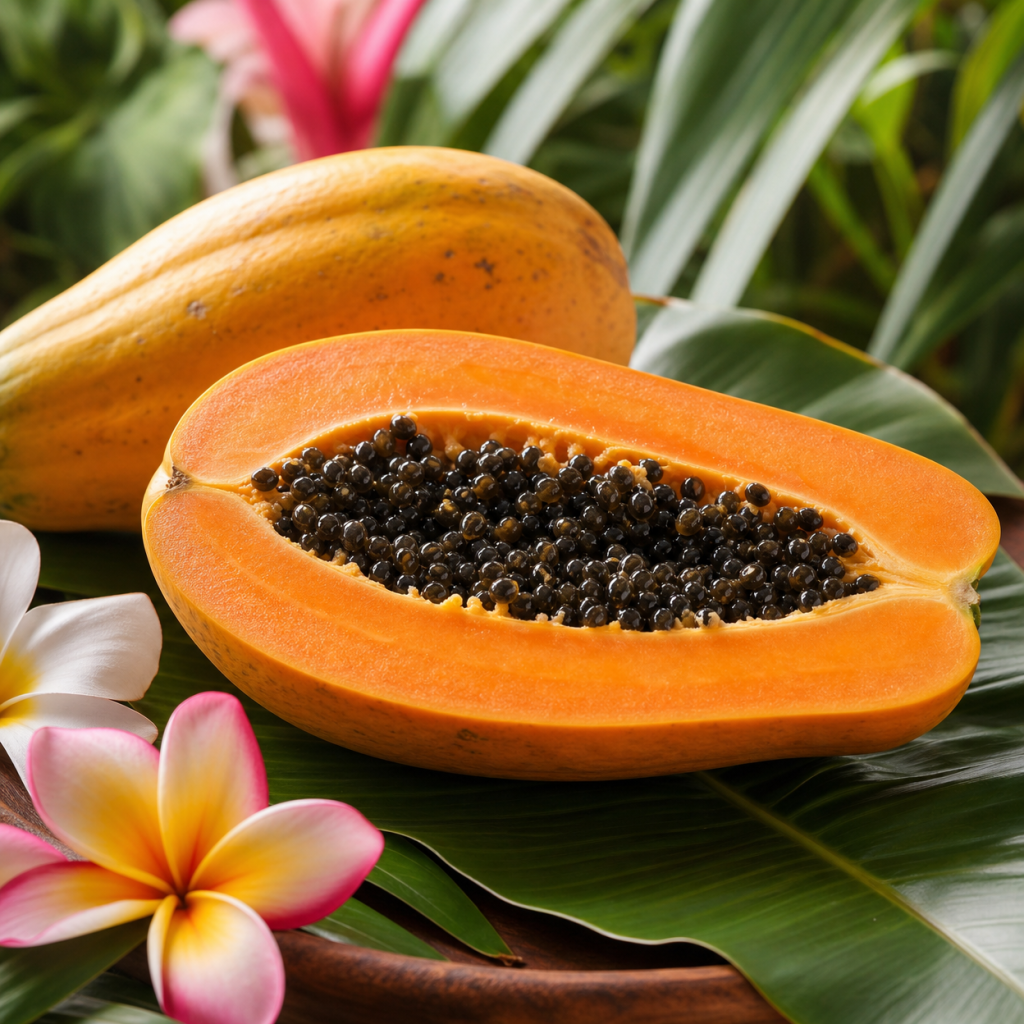
Papaya has been used for centuries in traditional medicine to treat digestive disorders, and modern science has confirmed its remarkable benefits. The papaya digestive health benefits are driven by an exceptional combination of the digestive enzyme papain, high fiber content, Vitamin C, Vitamin A (from beta-carotene), folate, and a wide array of antioxidants, including lycopene and beta-cryptoxanthin.
Whether you enjoy it fresh, in smoothies, or as a meat tenderizer, the papaya digestive health benefits span multiple body systems — from digestion and heart health to immune function, skin protection, and anti-inflammatory effects.
Nutritional Profile and Key Nutrients
To fully appreciate the papaya digestive health benefits, it helps to examine what makes this tropical fruit so powerful. One cup of fresh papaya chunks (about 140 grams) contains approximately 55 calories and provides over 100% of the daily recommended intake of Vitamin C (about 90 milligrams), 25-30% of Vitamin A (from beta-carotene), 15-20% of folate, 10-15% of potassium, 10% of fiber (2-3 grams), and smaller amounts of Vitamin E, Vitamin K, calcium, and magnesium.
The most unique compound in papaya is papain, a proteolytic (protein-digesting) enzyme that is similar to the digestive enzyme pepsin found in human stomachs. Papain is responsible for many of the papaya digestive health benefits, particularly for protein digestion. For a broader understanding of plant-based nutrition, consult this Wikipedia resource on fruits and plant foods.
Digestive Health and Papain
The most famous papaya digestive health benefits are related to digestion. Papain is a proteolytic enzyme that breaks down proteins into amino acids and peptides, making them easier to digest and absorb. Papain works optimally in the acidic environment of the stomach and is active across a wide pH range, making it effective throughout the digestive tract. Eating fresh papaya with or after a protein-rich meal can reduce bloating, gas, indigestion, and the feeling of heaviness by helping the body break down protein more efficiently.
Papain is also commercially extracted and sold as a digestive enzyme supplement and as a meat tenderizer (it breaks down collagen and muscle fibers).
For people with exocrine pancreatic insufficiency (low pancreatic enzyme production) or those who experience digestive discomfort after high-protein meals, eating fresh papaya (with the black seeds, which also contain proteolytic enzymes) can provide natural relief.
The papaya digestive health benefits for protein digestion are most potent when papaya is eaten fresh and slightly underripe (green papaya), as ripening reduces papain activity.
Fiber Content and Bowel Regularity
The papaya digestive health benefits for bowel regularity are significant. One cup of fresh papaya provides about 2-3 grams of dietary fiber, a mix of soluble fiber (pectin) and insoluble fiber. Soluble fiber helps regulate bowel movements by absorbing water and forming a gel-like substance in the gut, which softens stool and prevents constipation. Soluble fiber also acts as a prebiotic, feeding beneficial gut bacteria like Bifidobacteria and Lactobacillus, helping them grow and thrive.
Insoluble fiber adds bulk to stool and speeds up intestinal transit, reducing the time that potential carcinogens stay in contact with the intestinal lining. For people with chronic constipation, eating fresh papaya daily (with the seeds) can provide gentle, natural relief. The high water content of papaya (about 88%) also helps soften stool. A 2013 study found that people who ate papaya daily for 40 days had significant improvements in constipation symptoms and reduced bloating and flatulence.
Heart Health and Lycopene
The papaya digestive health benefits extend to cardiovascular protection. Papaya is rich in lycopene, the same carotenoid antioxidant found in tomatoes that gives papaya its red-orange color. One cup of papaya provides about 5-6 milligrams of lycopene. Lycopene has been shown to reduce LDL (bad) cholesterol oxidation, lower blood pressure, improve endothelial function (the ability of blood vessels to relax and dilate), and reduce inflammation — all of which protect against heart disease and stroke.
The potassium in papaya (about 200-250 milligrams per cup) helps regulate blood pressure by counteracting sodium and relaxing blood vessel walls. The fiber in papaya (2-3 grams) helps lower LDL cholesterol by binding to it in the digestive tract.
The folate in papaya (15-20% of the daily recommended intake) reduces levels of homocysteine, an amino acid linked to increased cardiovascular risk. Heart disease remains the leading cause of death globally, and leveraging the papaya digestive health benefits for cardiovascular protection is an evidence-based strategy. Browse our collection of heart health articles for more guidance.
Anti-Inflammatory Effects
The papaya digestive health benefits include powerful anti-inflammatory properties, driven by papain and other proteolytic enzymes, as well as the antioxidants (Vitamin C, beta-carotene, lycopene). Papain has been shown to reduce inflammation by breaking down pro-inflammatory proteins and reducing the production of inflammatory cytokines (like TNF-α and IL-6).
Clinical studies have found that papain supplements can reduce pain and inflammation in people with osteoarthritis, rheumatoid arthritis, and sports injuries, with effects comparable to non-steroidal anti-inflammatory drugs (NSAIDs) but with fewer gastrointestinal side effects. The antioxidants in papaya also reduce systemic inflammation by neutralizing free radicals that trigger inflammatory pathways.
For people with chronic inflammatory conditions (like arthritis, asthma, or inflammatory bowel disease), eating fresh papaya daily may help reduce symptoms. The papaya digestive health benefits for inflammation are most potent when papaya is eaten fresh, as heat can destroy papain.
Immune System Enhancement
The papaya digestive health benefits for immune function are substantial. One cup of fresh papaya provides over 100% of the daily recommended intake of Vitamin C. Vitamin C is essential for the production and activity of white blood cells, particularly lymphocytes and phagocytes, and helps these cells travel to sites of infection more quickly.
Vitamin C also acts as a powerful antioxidant, protecting immune cells from oxidative damage during periods of illness or stress.
The Vitamin A in papaya (25-30% of the daily recommended intake) supports the integrity of mucosal barriers (the body’s first line of defense). The folate in papaya (15-20%) is necessary for white blood cell production. A 2016 study found that people who ate papaya daily for 8 weeks had significantly higher levels of natural killer (NK) cells (which detect and destroy virus-infected cells) and lower levels of inflammatory markers compared to a control group.
During cold and flu season, incorporating fresh papaya into smoothies, fruit salads, or as a snack can provide meaningful immune support.
Skin Health and Anti-Aging
The papaya digestive health benefits for skin health are significant. The high Vitamin C content of papaya (100% of the daily recommended intake per cup) is essential for collagen synthesis, the protein that keeps skin firm, elastic, and youthful. Collagen makes up 75-80% of the skin’s dry weight, and its production naturally declines with age, leading to wrinkles, sagging, and thinning skin. Adequate Vitamin C intake helps slow this decline.
The Vitamin A (from beta-carotene) in papaya supports skin cell turnover, helping to shed dead cells and replace them with new, healthy ones, reducing the appearance of fine lines, acne, and dullness.
The papain in papaya has mild exfoliating properties, which is why papaya is used in many skincare products and home face masks (topical application of mashed papaya can gently remove dead skin cells). For maximum skin benefits, eat fresh papaya regularly and consider using mashed papaya as a natural face mask (avoid if allergic to latex).
How to Maximize the Health Benefits of Papaya
To get the most out of the papaya digestive health benefits, follow these practical tips. Eat fresh papaya rather than canned or dried, as heat used in canning and drying destroys papain and reduces Vitamin C content.
Slightly underripe (green) papaya has higher papain activity and is more effective for protein digestion, but ripe papaya (yellow-orange) is sweeter and has higher antioxidant levels. The black seeds inside papaya are edible and have a peppery flavor — they contain proteolytic enzymes and have been traditionally used to treat intestinal parasites.
Do not eat large quantities of green papaya during pregnancy, as it contains high levels of latex that may stimulate uterine contractions (ripe papaya is safe). Papaya can be eaten fresh, blended into smoothies, added to fruit salads, or used in savory dishes (green papaya salad is a popular Southeast Asian dish). Aim for 1 cup of fresh papaya 2-3 times per week for general health benefits.
