
Post
Radish Detox Health Benefits – Nutrition, and Uses Best
May
Radish: Crunchy, Detoxifying, and Nutrient-Packed
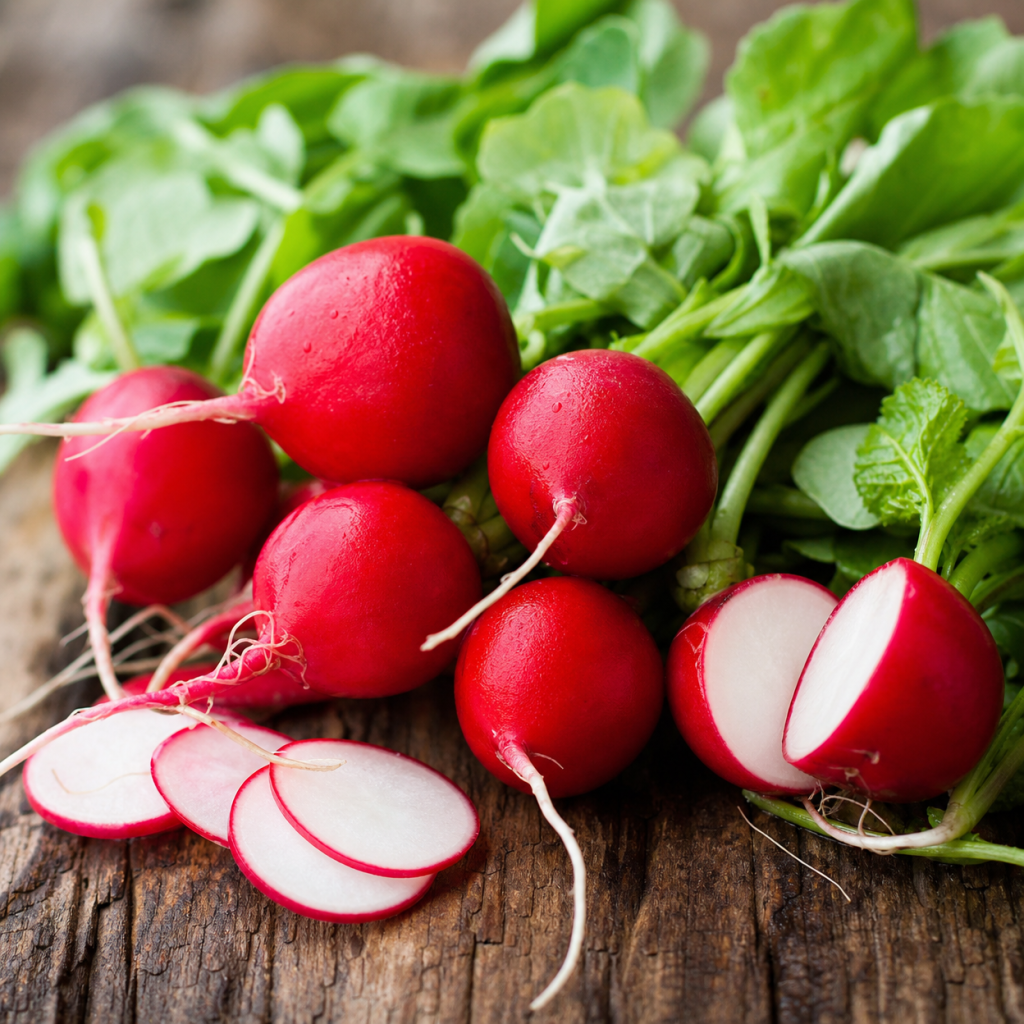
Radishes are often overlooked as a simple salad garnish, but their health benefits are remarkable. The radish detox health benefits are driven by their unique combination of sulfur-containing compounds, antioxidants, fiber, and essential minerals. Whether you enjoy them raw, pickled, roasted, or sautéed, the radish detox health benefits span multiple body systems — from liver function and digestion to heart health, immunity, and skin clarity.
Nutritional Profile and Key Nutrients
To fully appreciate the radish detox health benefits, it helps to examine what makes this root vegetable so powerful. One cup of raw sliced radishes (about 100 grams) contains only 16 calories but provides significant amounts of Vitamin C (about 25% of the daily recommended intake), potassium (10%), folate, magnesium, calcium, and manganese.
Radishes are also rich in sulfur-containing compounds called glucosinolates, which are responsible for their pungent flavor and most of the radish detox health benefits. Glucosinolates break down into isothiocyanates, compounds that stimulate liver detoxification enzymes and have anticancer properties.
Radishes are also a good source of anthocyanins (in red and purple varieties) and fiber. For a broader understanding of plant-based nutrition, consult this Wikipedia resource on fruits and plant foods.
Liver Detoxification and Support
One of the most significant radish detox health benefits is liver support. Radishes contain compounds that stimulate the production of bile, a fluid produced by the liver that helps digest fats and eliminate toxins from the body. Increased bile flow helps flush out waste products, including bilirubin, cholesterol, and environmental toxins.
The glucosinolates in radishes are also converted into isothiocyanates, which activate the liver’s Phase II detoxification enzymes (including glutathione S-transferase and UDP-glucuronosyltransferase). These enzymes bind toxins to molecules that make them water-soluble, allowing the body to excrete them through urine or bile.
Animal studies have shown that radish extract can reduce liver damage caused by toxins and alcohol, lowering liver enzymes (ALT and AST) by 30-40%. Human studies are more limited, but traditional medicine systems (including Ayurveda and Traditional Chinese Medicine) have long used radishes to support liver health. The radish detox health benefits for the liver make them a valuable addition to a cleanse or detox program.
Digestive Health and Bloating Relief
The radish detox health benefits for digestive health are substantial. Radishes are rich in roughage (insoluble fiber), which adds bulk to stool and speeds up intestinal transit, helping to prevent constipation. The fiber also acts as a prebiotic, feeding beneficial gut bacteria. Additionally, radishes contain compounds that reduce bloating and gas.
In traditional medicine, radishes are used as a carminative — an herb or spice that prevents gas formation and helps expel existing gas from the digestive tract. The sulfur compounds in radishes also have mild antimicrobial properties, helping to control the overgrowth of bacteria that can cause fermentation and gas production.
For people with indigestion, bloating, or slow digestion, eating 5-10 raw radish slices before a meal can stimulate digestive enzymes and bile flow, improving nutrient absorption and reducing post-meal discomfort. The radish detox health benefits for digestion make them a simple, natural remedy for common digestive complaints.
Antioxidant Power and Cellular Protection
Antioxidants are among the most valuable compounds in radishes, forming a core pillar of the radish detox health benefits story. Radishes are exceptionally rich in Vitamin C, one of the most important water-soluble antioxidants. Vitamin C neutralizes free radicals — unstable molecules that damage cells, DNA, and contribute to aging and chronic diseases like cancer, heart disease, and Alzheimer’s. The glucosinolates in radishes also have antioxidant properties, and the anthocyanins in red and purple radishes provide additional protection. Studies have shown that regular radish consumption reduces markers of oxidative stress in the blood, including malondialdehyde (MDA) and lipid peroxidation products. By reducing oxidative stress throughout the body, the radish detox health benefits support long-term health and slow the aging process. For maximum antioxidant benefit, eat radishes raw, as cooking can reduce Vitamin C content by up to 50%.
Heart Health and Blood Pressure Regulation
The radish detox health benefits extend to cardiovascular protection. Radishes are a good source of potassium (one cup provides about 230 milligrams, or 5-10% of the daily recommended intake), which helps regulate blood pressure by counteracting sodium and relaxing blood vessel walls. High potassium intake is associated with a 20-30% lower risk of stroke and heart disease. Radishes also contain anthocyanins (in red and purple varieties), which have been shown to reduce inflammation in blood vessels and improve arterial flexibility. The fiber in radishes helps lower LDL (bad) cholesterol by binding to it in the digestive tract and removing it from the body. The glucosinolates in radishes may also reduce the oxidation of LDL cholesterol, which is a critical step in the formation of arterial plaques (atherosclerosis). Heart disease remains the leading cause of death globally, and leveraging the radish detox health benefits for cardiovascular protection is an evidence-based strategy. Browse our collection of heart health articles for more guidance.
Immune System Enhancement
The radish detox health benefits for immune function are substantial, largely due to their high Vitamin C content. One cup of raw radishes provides about 25% of the daily recommended intake of Vitamin C. Vitamin C supports the production and activity of white blood cells, particularly lymphocytes and phagocytes, and helps these cells travel to sites of infection more quickly. Vitamin C also acts as a powerful antioxidant, protecting immune cells from oxidative damage during periods of illness or stress. The antimicrobial properties of radishes, driven by sulfur compounds and isothiocyanates, can help fight off bacterial and fungal infections. Some studies have shown that radish extract inhibits the growth of common pathogens, including E. coli, Staphylococcus aureus, and Candida albicans. During cold and flu season, incorporating radishes into salads, sandwiches, or slaws can provide meaningful immune support. The radish detox health benefits for immunity make them a valuable addition to a healthy diet.
Kidney Health and Natural Diuretic Effects
One of the traditional radish detox health benefits is kidney support. Radishes have natural diuretic properties, meaning they increase urine production and help flush out excess water, sodium, and toxins from the body. This can be beneficial for people with high blood pressure (by reducing fluid volume) or mild fluid retention (edema). Radishes also help cleanse the kidneys by preventing the formation of kidney stones. Some studies have shown that radish extract can reduce the crystallization of calcium oxalate — the most common type of kidney stone — by up to 50% in laboratory models. The sulfur compounds in radishes also help reduce the accumulation of waste products in the kidneys, including urea and creatinine. For people with a history of kidney stones or urinary tract infections, drinking radish juice (freshly juiced radishes mixed with water or cucumber juice) 2-3 times per week may provide protective benefits. However, people with existing kidney disease should consult a healthcare professional before increasing radish intake, as the potassium content may need to be monitored.
Blood Sugar Regulation
The radish detox health benefits for blood sugar control are promising. Animal studies have shown that radish extract can reduce fasting blood glucose levels by 20-30% and improve insulin sensitivity in diabetic models. The mechanisms include inhibiting carbohydrate-digesting enzymes (like alpha-amylase and alpha-glucosidase), which slows the release of sugar into the bloodstream after meals, and increasing glucose uptake into muscle cells. Radishes also contain fiber, which further slows carbohydrate absorption and prevents post-meal glucose spikes. Human studies are more limited, but early evidence suggests that regular radish consumption can help improve blood sugar control in people with type 2 diabetes. For individuals managing diabetes or insulin resistance, adding radishes to salads, slaws, or stir-fries can be a valuable complementary strategy to medication and dietary changes. The low glycemic index of radishes (around 15-20) makes them a safe, blood-sugar-friendly food.
Skin Health and Acne Reduction
The radish detox health benefits extend to skin health, particularly for acne and blemishes. In traditional medicine, radishes have been used topically and internally to treat skin conditions. The high Vitamin C content supports collagen synthesis, which helps maintain skin elasticity and promotes wound healing. The sulfur compounds in radishes have antimicrobial and antifungal properties that can help reduce acne-causing bacteria, including Propionibacterium acnes. The detoxifying effects of radishes, particularly on the liver, may also improve skin clarity by reducing the accumulation of toxins that can manifest as acne, dullness, or inflammation. Some natural health practitioners recommend drinking radish juice or eating raw radishes daily to improve skin conditions like acne, eczema, and psoriasis. While more research is needed, the combination of antioxidants, antimicrobial compounds, and detox support makes radishes a potentially beneficial addition to a skin-healthy diet.
How to Maximize the Health Benefits of Radishes
To get the most out of the radish detox health benefits, follow these practical tips. Radishes are most potent raw, as cooking can reduce Vitamin C and some glucosinolates. However, roasting or sautéing radishes softens their pungent flavor and makes them more palatable to those who dislike the spiciness. To make radishes milder, slice them thinly and soak in ice water for 10-15 minutes before eating. Radish greens (the leaves) are also edible and highly nutritious — they contain even more Vitamin C and calcium than the roots. Add radish greens to salads, smoothies, or sauté them with garlic and olive oil. Try to eat a variety of radish colors (red, white, black, purple, and daikon), as each offers a slightly different profile of antioxidants and sulfur compounds. Aim for 5-10 small radishes or 1/2 to 1 cup of sliced radishes daily for general health benefits. Pregnant women can safely consume radishes in moderation, but excessive amounts may cause digestive discomfort in some individuals.
