
Post
Sweet Potatoes Energy Superfood – Benefits, Nutrition, and Healthy Recipes 2026 Best
May
Sweet Potatoes: The Energy-Boosting Superfood
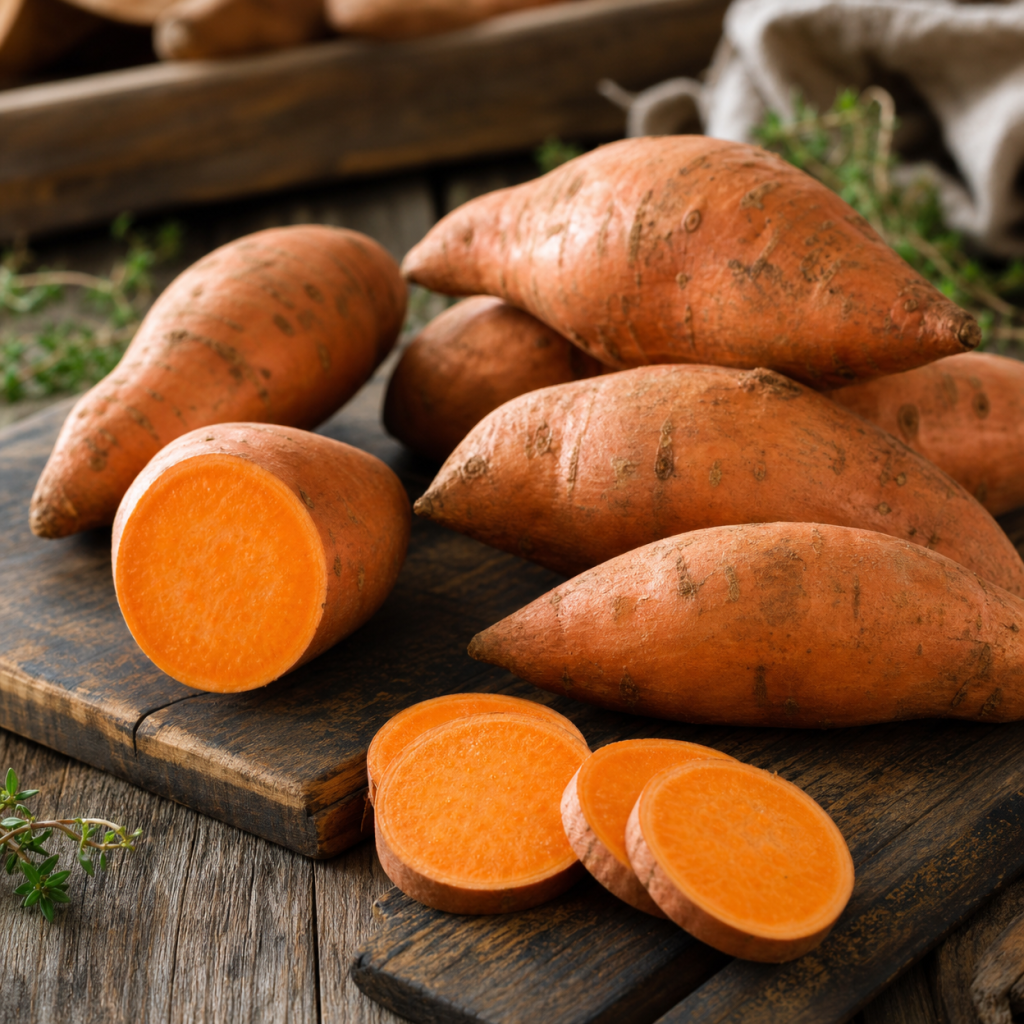
Sweet potatoes are one of the most nutrient-dense carbohydrate sources available, making them a true energy-boosting superfood. The sweet potatoes energy superfood reputation is driven by their complex carbohydrates, high fiber content, and exceptional levels of beta-carotene, Vitamin C, and manganese.
Whether you enjoy them baked, roasted, mashed, or in soups and stews, the sweet potatoes energy superfood benefits span multiple body systems — from sustained energy and blood sugar regulation to eye health, immunity, and digestive wellness.
Nutritional Profile and Key Nutrients
To fully appreciate the sweet potatoes energy superfood benefits, it helps to examine what makes this root vegetable so powerful. One medium baked sweet potato (with skin, about 150 grams) contains approximately 130 calories and provides over 400% of the daily recommended intake of Vitamin A (from beta-carotene), 30% of Vitamin C, 25% of manganese, 15% of Vitamin B6, 10% of potassium, 10% of pantothenic acid, and 4 grams of fiber. The complex carbohydrates (about 30 grams) provide sustained energy without the sharp spikes and crashes associated with refined sugars.
The orange flesh is particularly rich in beta-carotene, but purple sweet potatoes contain even more anthocyanins. For a broader understanding of plant-based nutrition, consult this Wikipedia resource on fruits and plant foods.
Sustained Energy and Complex Carbohydrates
The most direct sweet potatoes energy superfood benefit is sustained energy. Unlike refined carbohydrates (white bread, sugary snacks, white rice), which are quickly digested and cause rapid spikes and crashes in blood sugar, the complex carbohydrates in sweet potatoes are digested slowly due to the high fiber content.
This provides a steady release of glucose into the bloodstream over several hours, fueling both physical activity and cognitive function without the “sugar crash” that leads to fatigue, irritability, and cravings. The fiber in sweet potatoes (about 4 grams per medium potato) slows gastric emptying and the absorption of sugars.
For athletes, active individuals, or anyone who experiences afternoon energy slumps, eating a sweet potato 1-2 hours before exercise or a mentally demanding task can provide sustained energy. The sweet potatoes energy superfood benefits also include replenishing glycogen stores after exercise, making sweet potatoes an excellent post-workout recovery food.
Blood Sugar Regulation and Diabetes Management
Despite their sweet taste, sweet potatoes have a relatively low glycemic index (GI) of 44-61 depending on the variety and preparation method — lower than white potatoes (GI 78-85). The sweet potatoes energy superfood benefits for blood sugar control are significant.
The high fiber content slows the release of sugars into the bloodstream, preventing post-meal glucose spikes. Additionally, certain compounds in sweet potatoes (including caiapo and adiponectin) have been shown to improve insulin sensitivity. A 2016 study found that people with type 2 diabetes who ate 250 grams of sweet potatoes daily for 12 weeks had significant reductions in fasting blood glucose (by 15-20%) and HbA1c (by 8-10%).
The purple variety of sweet potato appears to be particularly beneficial for blood sugar control due to its high anthocyanin content. For individuals managing diabetes or insulin resistance, eating boiled or roasted sweet potatoes (rather than mashed or fried) is best, as boiling lowers the GI. The sweet potatoes energy superfood benefits for metabolic health make them a far better choice than white potatoes or refined carbohydrates.
Eye Health and Vision Protection
One of the most significant sweet potatoes energy superfood benefits is eye health. A single medium sweet potato provides over 400% of the daily recommended intake of Vitamin A (from beta-carotene). Vitamin A is essential for vision — it is a component of rhodopsin, the pigment in the retina that allows the eye to see in low light conditions.
Vitamin A deficiency is a leading cause of preventable blindness worldwide, and it also contributes to night blindness and dry eyes. The beta-carotene in sweet potatoes also protects against age-related macular degeneration (AMD) and cataracts, two of the leading causes of blindness in older adults.
Sweet potatoes also contain lutein and zeaxanthin (especially the yellow-fleshed varieties), which accumulate in the macula and filter out harmful blue light. For maximum eye health benefits, eat sweet potatoes with a small amount of healthy fat (like olive oil or butter), as beta-carotene is fat-soluble and absorption is enhanced by dietary fat.
Immune System Enhancement
The sweet potatoes energy superfood benefits for immune function are substantial. Sweet potatoes are rich in both Vitamin A (from beta-carotene) and Vitamin C, two nutrients that are essential for a healthy immune system.
Vitamin A is necessary for the development and differentiation of white blood cells, particularly lymphocytes, and for maintaining the integrity of mucosal barriers in the respiratory and digestive tracts, which act as the body’s first line of defense against pathogens.
Vitamin C supports the production and activity of phagocytes and natural killer (NK) cells and helps these cells travel to sites of infection more quickly. A deficiency in either vitamin significantly increases susceptibility to infections.
The beta-carotene in sweet potatoes also has direct antioxidant effects, protecting immune cells from oxidative damage during periods of illness or stress. During cold and flu season, incorporating sweet potatoes into soups, stews, or as a roasted side dish can provide meaningful immune support.
Digestive Health and Fiber Content
The sweet potatoes energy superfood benefits for digestive health are significant. One medium sweet potato provides about 4 grams of dietary fiber, a mix of soluble and insoluble fiber. Soluble fiber helps regulate bowel movements by absorbing water and forming a gel-like substance in the gut, which softens stool and prevents constipation.
Insoluble fiber adds bulk to stool and speeds up intestinal transit, reducing the time that potential carcinogens stay in contact with the intestinal lining. The fiber in sweet potatoes also acts as a prebiotic, feeding beneficial gut bacteria like Bifidobacteria and Lactobacillus, helping them grow and thrive.
A healthy gut microbiome is essential for proper digestion, regular bowel movements, nutrient absorption, immune function, and even mental health. For people with chronic constipation, eating sweet potatoes regularly (with the skin on) can provide gentle, natural relief. The resistant starch in cooked and cooled sweet potatoes (e.g., sweet potato salad) is particularly beneficial for gut health.
Antioxidant Power and Anti-Aging Effects
The sweet potatoes energy superfood benefits include powerful antioxidant and anti-aging effects. The beta-carotene and Vitamin C in sweet potatoes neutralize free radicals — unstable molecules that damage cells, DNA, and contribute to aging and chronic diseases like cancer, heart disease, and Alzheimer’s.
The anthocyanins in purple sweet potatoes are particularly potent antioxidants, with some studies showing they have higher antioxidant activity than blueberries. Regular consumption of sweet potatoes has been associated with reduced markers of oxidative stress in the blood and slower aging at the cellular level.
The antioxidants in sweet potatoes also protect the skin from UV damage and environmental pollutants, reducing the appearance of fine lines, wrinkles, and age spots. For maximum antioxidant benefits, eat a variety of sweet potato colors (orange, purple, white, and yellow), as each provides a different profile of antioxidant compounds.
Heart Health and Blood Pressure Regulation
The sweet potatoes energy superfood benefits extend to cardiovascular protection. Sweet potatoes are rich in potassium (one medium potato provides about 450 milligrams, or 10-15% of the daily recommended intake), which helps regulate blood pressure by counteracting sodium and relaxing blood vessel walls.
High potassium intake is associated with a 20-30% lower risk of stroke and heart disease. The fiber in sweet potatoes helps lower LDL (bad) cholesterol by binding to it in the digestive tract and removing it from the body. The anthocyanins in purple sweet potatoes have been shown to reduce inflammation in blood vessels and improve arterial flexibility.
The antioxidants in sweet potatoes also prevent the oxidation of LDL cholesterol, which is a critical step in the formation of arterial plaques (atherosclerosis). Heart disease remains the leading cause of death globally, and leveraging the sweet potatoes energy superfood benefits for cardiovascular protection is an evidence-based strategy. Browse our collection of heart health articles for more guidance.
Brain Health and Cognitive Function
One of the lesser-known sweet potatoes energy superfood benefits is brain health. The anthocyanins in purple sweet potatoes have been shown to cross the blood-brain barrier and reduce inflammation in the brain, protecting against age-related cognitive decline, Alzheimer’s disease, and Parkinson’s disease.
Animal studies have found that purple sweet potato extract improves learning and memory in aging models and reduces the accumulation of amyloid plaques (a hallmark of Alzheimer’s). The Vitamin B6 in sweet potatoes (about 15% of the daily recommended intake) is essential for producing neurotransmitters, including serotonin (mood regulation), dopamine (motivation and pleasure), and GABA (calming).
Adequate B6 intake is associated with a lower risk of depression and cognitive decline. The sustained energy from sweet potatoes also supports cognitive function throughout the day, preventing the mental fatigue that often follows high-sugar meals.
How to Maximize the Health Benefits of Sweet Potatoes
To get the most out of the sweet potatoes energy superfood benefits, follow these practical tips. Eat sweet potatoes with the skin on whenever possible, as the skin contains significant fiber, antioxidants, and potassium. Boiling sweet potatoes lowers their glycemic index more than baking or roasting, but baking preserves more nutrients (especially beta-carotene).
For the best of both worlds, bake sweet potatoes and eat them with a source of protein and healthy fat to further stabilize blood sugar. Avoid frying sweet potatoes (like sweet potato fries), as this adds significant calories and fat while reducing nutrient density. Sweet potatoes pair well with cinnamon, nutmeg, ginger, and other spices that also have health benefits.
Aim for one medium sweet potato 3-5 times per week for general health benefits. Pregnant women can safely consume sweet potatoes, and the high Vitamin A content is beneficial for fetal development, but excessive Vitamin A (from supplements) can be harmful — food sources are safe.
