
Post
Beetroot Blood Health Benefits – Nutrition, and Daily Uses
May
Beetroot: Boost Your Blood Health Naturally
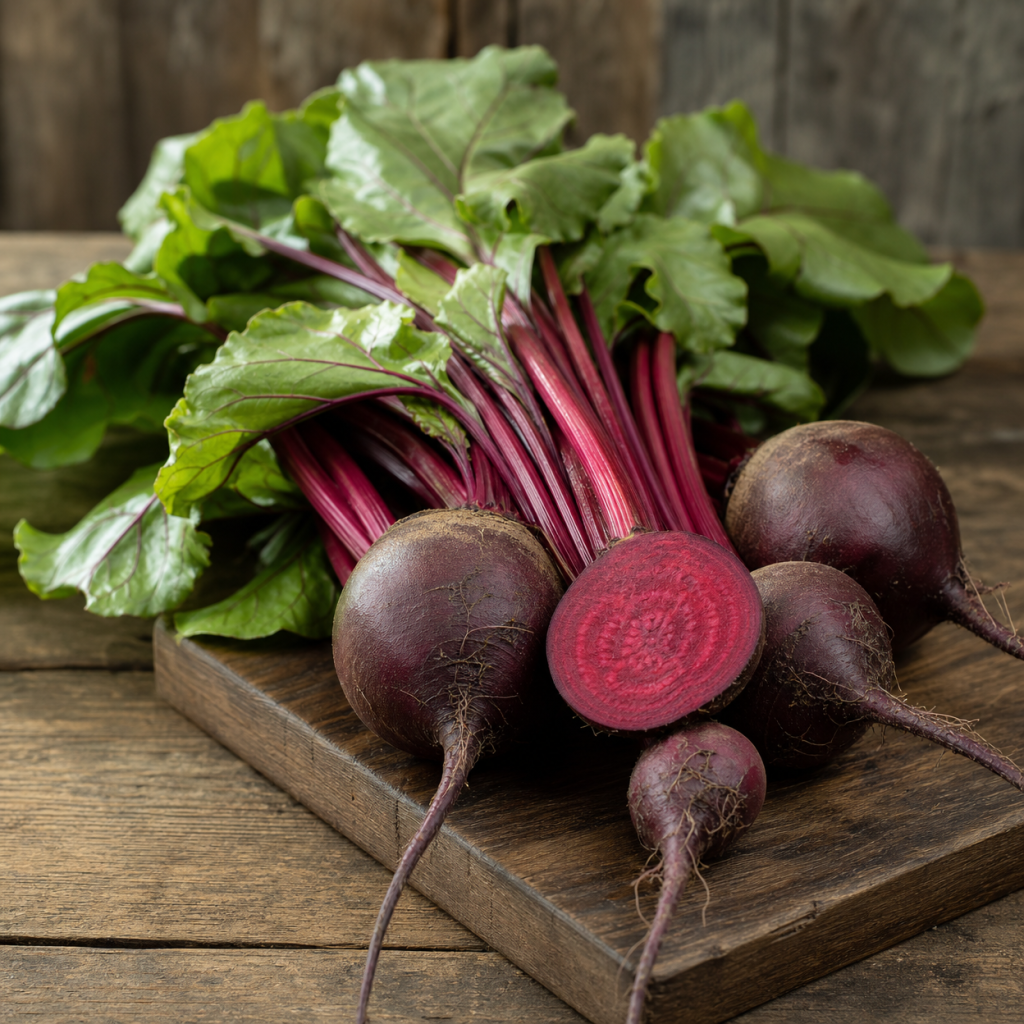
Beetroot (or beets) has a deep, rich red color that hints at its powerful health benefits, particularly for blood and circulation. The beetroot blood health benefits are driven by its unique combination of nitrates, iron, folate, and betalain antioxidants.
Whether you enjoy them roasted, juiced, pickled, or grated raw, the beetroot blood health benefits span multiple body systems — from blood pressure regulation and athletic performance to liver detoxification, anemia prevention, and cognitive function.
Nutritional Profile and Key Nutrients
To fully appreciate the beetroot blood health benefits, it helps to examine what makes this root vegetable so powerful. One cup of cooked beetroot (about 150 grams) contains approximately 60 calories and provides significant amounts of folate (about 35% of the daily recommended intake), manganese (20%), potassium (10%), iron (6%), Vitamin C (5%), and fiber (3-4 grams).
The most notable compounds in beetroot, however, are dietary nitrates and betalains (including betacyanin and betaxanthin). Dietary nitrates are converted by the body into nitric oxide, a molecule that dilates blood vessels and improves circulation. Betalains are potent antioxidants responsible for the deep red color and many of the beetroot blood health benefits.
For a broader understanding of plant-based nutrition, consult this Wikipedia resource on fruits and plant foods.
Blood Pressure Regulation and Circulation
One of the most significant beetroot blood health benefits is blood pressure regulation. The dietary nitrates in beetroot are converted by oral bacteria into nitrites, which are then converted into nitric oxide in the stomach and bloodstream. Nitric oxide is a powerful vasodilator — it relaxes and widens blood vessels, improving blood flow and reducing blood pressure.
Clinical studies have consistently shown that drinking beetroot juice (250-500 ml) can lower systolic blood pressure by 5-10 mmHg within 3-6 hours, an effect comparable to some blood pressure medications. This effect is most pronounced in people with hypertension.
A meta-analysis of 16 clinical trials found that beetroot juice reduced systolic blood pressure by an average of 4.5 mmHg and diastolic pressure by 2.0 mmHg.
The beetroot blood health benefits for circulation also include improving blood flow to the brain, which may protect against cognitive decline and dementia. For best results, drink beetroot juice 1-2 hours before blood pressure measurement or exercise, as the effect is temporary (lasting 3-6 hours).
Athletic Performance and Endurance
The beetroot blood health benefits for athletic performance are well-documented and have made beetroot juice a popular supplement among athletes. The nitric oxide produced from dietary nitrates improves blood flow to working muscles, reduces the oxygen cost of exercise (meaning the body uses less oxygen to produce the same amount of energy), and improves mitochondrial efficiency.
Multiple clinical trials have shown that beetroot juice can improve running and cycling performance by 1-3%, which is significant for competitive athletes. For example, a study of 10 competitive cyclists found that drinking 500 ml of beetroot juice 2.5 hours before a 10-kilometer time trial improved performance by 2.8% (about 30 seconds).
The beetroot blood health benefits for endurance are most effective for exercises lasting 5-30 minutes (like running, cycling, rowing, and swimming). For best results, consume beetroot juice 2-3 hours before exercise, and continue for 3-7 days to build up nitrate stores in the body. Recreational athletes can also benefit, with improved stamina and reduced perceived exertion during workouts.
Anemia Prevention and Iron Content
The beetroot blood health benefits for anemia are significant, as beetroot is a good source of iron and folate. One cup of cooked beetroot provides about 1.5 milligrams of iron (6-8% of the daily recommended intake) and 135 micrograms of folate (35% of the daily recommended intake).
Iron is essential for producing hemoglobin, the protein in red blood cells that carries oxygen from the lungs to every cell in the body. Folate is essential for producing red blood cells and preventing certain types of anemia (megaloblastic anemia).
While the iron in beetroot is non-heme (plant-based) and less bioavailable than heme iron from meat, the Vitamin C in beetroot enhances iron absorption. For people with iron deficiency anemia (especially women of childbearing age, pregnant women, and vegetarians/vegans), incorporating beetroot into the diet can complement iron-rich foods like beans, spinach, and fortified cereals.
The red color of beetroot may also stain urine and stool, which is harmless but can be mistaken for blood — this is a normal side effect.
Liver Detoxification and Betalain Antioxidants
The beetroot blood health benefits for liver detoxification are substantial. Betalains, the pigments that give beetroot its deep red color, are potent antioxidants that support the liver’s natural detoxification pathways. Betalains activate the liver’s Phase II detoxification enzymes, which bind toxins to molecules that make them water-soluble, allowing the body to excrete them through urine or bile.
Animal studies have shown that beetroot extract can reduce liver damage caused by toxins (including alcohol and environmental pollutants), lowering liver enzymes (ALT and AST) by 30-50%. Beetroot also increases bile production, which helps eliminate waste products, cholesterol, and toxins from the liver.
The beetroot blood health benefits for the liver make it a valuable addition to any detox or cleanse program. For maximum effect, consume beetroot juice or cooked beets regularly (3-4 times per week), and consider combining them with other liver-supporting foods like leafy greens, garlic, and turmeric.
Brain Health and Cognitive Function
One of the most exciting areas of beetroot blood health benefits research is brain health. The nitric oxide produced from dietary nitrates improves blood flow to the brain, particularly to the frontal lobes, which are responsible for executive function, decision-making, and memory. As we age, blood flow to the brain naturally decreases, contributing to cognitive decline and dementia.
Clinical studies have shown that drinking beetroot juice (500 ml) can increase blood flow to the brain by 10-15% in older adults and improve performance on cognitive tests, particularly reaction time and attention. A 2019 study of older adults with high blood pressure found that those who drank beetroot juice daily for 6 weeks had significant improvements in reaction time and executive function compared to a placebo group.
The beetroot blood health benefits for brain health are most pronounced in older adults and those with cardiovascular risk factors, but younger adults may also experience modest cognitive benefits.
Anti-Inflammatory Effects and Joint Health
The beetroot blood health benefits include powerful anti-inflammatory properties, largely due to betalains. Betalains have been shown to inhibit the production of pro-inflammatory cytokines (like TNF-α, IL-6, and IL-1β) and block the activation of NF-kB, a protein complex that controls the expression of inflammatory genes.
Studies have found that beetroot extract can reduce pain and inflammation in animal models of arthritis, and some small human studies have shown benefits for people with osteoarthritis. The anti-inflammatory effects of beetroot may also reduce exercise-induced muscle soreness (delayed onset muscle soreness, or DOMS), allowing for faster recovery after intense workouts.
For people with chronic inflammatory conditions (like rheumatoid arthritis, inflammatory bowel disease, or metabolic syndrome), incorporating beetroot into the diet can be a valuable complementary strategy.
Digestive Health and Fiber Content
The beetroot blood health benefits for digestive health are significant, primarily due to the fiber content. One cup of cooked beetroot provides about 3-4 grams of dietary fiber, a mix of soluble and insoluble fiber. Soluble fiber helps regulate bowel movements by absorbing water and forming a gel-like substance in the gut, which softens stool and prevents constipation.
Insoluble fiber adds bulk to stool and speeds up intestinal transit. The fiber in beetroot also acts as a prebiotic, feeding beneficial gut bacteria like Bifidobacteria and Lactobacillus.
A healthy gut microbiome is essential for proper digestion, regular bowel movements, nutrient absorption, immune function, and even mental health. For people with chronic constipation, drinking beetroot juice (with the fiber) or eating cooked beets regularly can provide natural relief.
How to Maximize the Health Benefits of Beetroot
To get the most out of the beetroot blood health benefits, follow these practical tips. Both raw and cooked beets provide benefits, but cooking (roasting, boiling, or steaming) reduces nitrate content by 20-30%, so raw beetroot or fresh beetroot juice contains the highest nitrate levels. However, cooked beets have more bioavailable betalains.
For blood pressure and athletic performance, raw beetroot juice (250-500 ml) is most effective. For liver detoxification and anti-inflammatory effects, cooked beets (roasted or boiled) are excellent. Eat the beetroot greens (the leaves) as well — they are even more nutrient-dense than the roots, providing high levels of Vitamin K, Vitamin A, Vitamin C, calcium, and iron.
Beetroot juice can temporarily stain your urine and stool red or pink — this is harmless and called “beeturia.” Aim for 1 cup of cooked beets or 250 ml of beetroot juice 3-5 times per week for general health benefits. Pregnant women can safely consume beetroot, and the high folate content is beneficial for preventing neural tube defects.
