
Post
Zucchini low calorie health benefits
May
Zucchini: Low-Calorie Nutrition for a Healthy Body
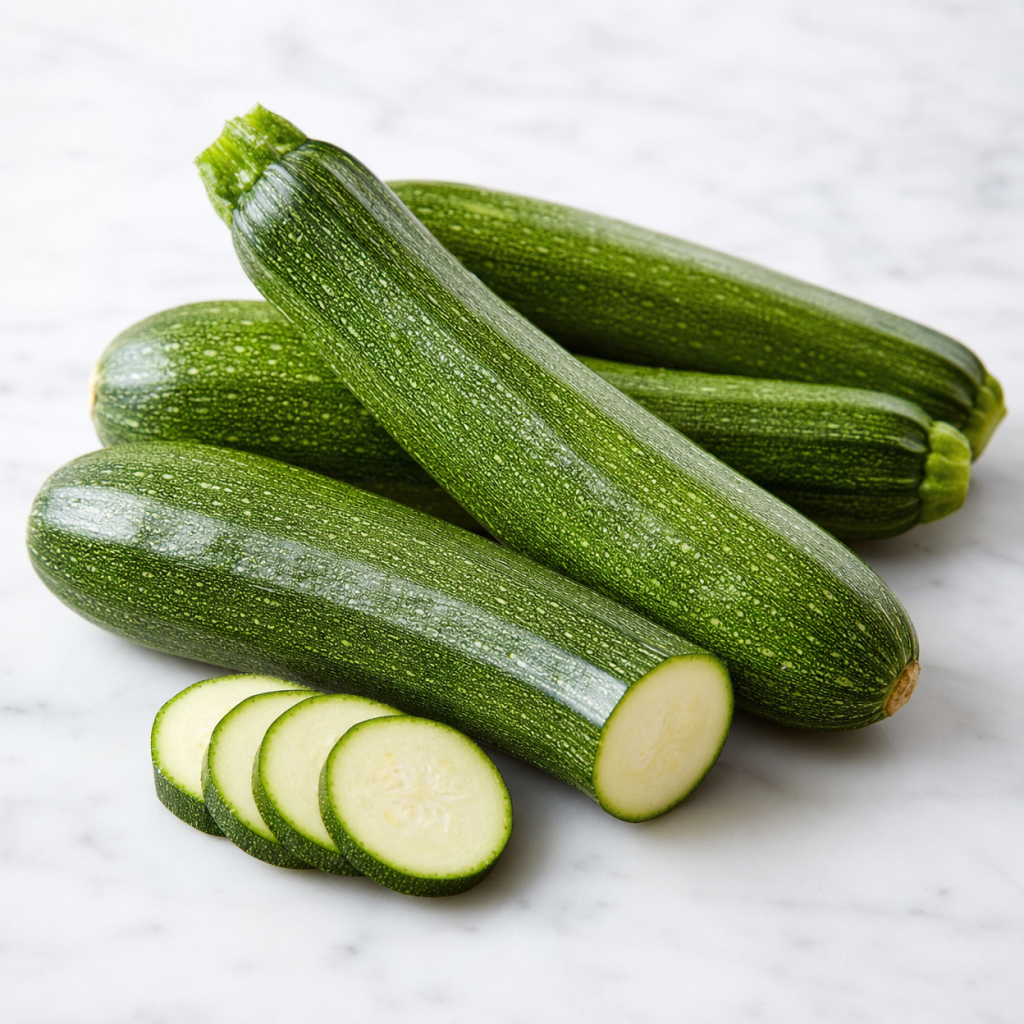
Zucchini is a summer squash that is often overlooked, but its health benefits are impressive. The zucchini low calorie health benefits are driven by its exceptionally high water content, fiber, and rich array of vitamins and minerals. Whether you enjoy it raw in salads, spiralized into noodles, grilled, roasted, or baked into bread, the zucchini low calorie health benefits span multiple body systems — from hydration and digestion to heart health, eye health, and weight management.
Nutritional Profile and Key Nutrients
To fully appreciate the zucchini low calorie health benefits, it helps to examine what makes this food so nutrient-dense. One cup of raw, chopped zucchini (about 120 grams) contains only 18 calories but provides significant amounts of Vitamin C (about 25% of the daily recommended intake), Vitamin B6 (10%), riboflavin (Vitamin B2), folate, potassium (10%), manganese, and fiber (1-2 grams). Zucchini also contains smaller amounts of Vitamin A (from beta-carotene and lutein), Vitamin K, and magnesium. The high water content (about 95% water) is a major contributor to the zucchini low calorie health benefits, as it promotes hydration and satiety. For a broader understanding of plant-based nutrition, consult this Wikipedia resource on fruits and plant foods.
Weight Management and Satiety
One of the most important zucchini low calorie health benefits is weight management. With only 18 calories per cup and 95% water content, zucchini is one of the most weight-loss-friendly foods available. The water and fiber expand in the stomach, triggering stretch receptors that signal fullness to the brain, while also slowing gastric emptying so you feel satisfied for longer. Studies have shown that eating low-calorie, high-water foods like zucchini before or with meals can reduce total calorie intake at that meal by 10-20%. For sustainable weight management, use zucchini as a replacement for higher-calorie ingredients: spiralize zucchini into “zoodles” (zucchini noodles) instead of pasta, use sliced zucchini as a pizza topping or in place of lasagna noodles, add grated zucchini to oatmeal, smoothies, or baked goods (like muffins or bread) to increase volume without adding many calories. The zucchini low calorie health benefits for weight management allow you to eat a satisfying volume of food while keeping calories in check.
Hydration and Cellular Function
One of the most immediate zucchini low calorie health benefits is its exceptionally high water content. Zucchini is composed of 95% water, making it one of the most hydrating foods available. Proper hydration is essential for virtually every bodily function, including temperature regulation, nutrient transport, joint lubrication, digestion, and cognitive performance. Even mild dehydration (loss of 1-2% of body water) can impair concentration, increase fatigue, reduce physical performance, and cause headaches. By including water-rich foods like zucchini in your diet, you can maintain hydration more consistently throughout the day, especially if you struggle to drink enough plain water. The water in zucchini also contributes to the feeling of fullness, which aids in weight management, and helps keep skin plump and hydrated from within. The zucchini low calorie health benefits for hydration are often overlooked but are critically important for long-term health.
Digestive Health and Fiber Content
The zucchini low calorie health benefits for digestive health are significant, primarily due to the fiber content. One cup of zucchini provides about 1-2 grams of dietary fiber, mostly soluble fiber (including pectin). Soluble fiber helps regulate bowel movements by absorbing water and forming a gel-like substance in the gut, which softens stool and prevents constipation. Soluble fiber also acts as a prebiotic, feeding beneficial gut bacteria like Bifidobacteria and Lactobacillus, helping them grow and thrive. A healthy gut microbiome is essential for proper digestion, regular bowel movements, nutrient absorption, immune function, and even mental health (via the gut-brain axis). The high water content of zucchini (95%) also helps with hydration and stool softening. For people with chronic constipation or irritable bowel syndrome (IBS), incorporating cooked or raw zucchini into the diet can provide gentle, natural relief.
Heart Health and Blood Pressure Regulation
The zucchini low calorie health benefits extend to cardiovascular protection. Zucchini is a good source of potassium (one cup provides about 260 milligrams, or 5-10% of the daily recommended intake), which helps regulate blood pressure by counteracting sodium and relaxing blood vessel walls. High potassium intake is associated with a 20-30% lower risk of stroke and heart disease. Zucchini also contains magnesium (about 15 milligrams per cup), which supports healthy heart rhythm, and fiber, which helps lower LDL (bad) cholesterol by binding to it in the digestive tract and removing it from the body. The antioxidants in zucchini, including Vitamin C and lutein, prevent the oxidation of LDL cholesterol, which is a critical step in the formation of arterial plaques (atherosclerosis). Heart disease remains the leading cause of death globally, and leveraging the zucchini low calorie health benefits for cardiovascular protection is an evidence-based strategy. Browse our collection of heart health articles for more guidance.
Eye Health and Vision Protection
The zucchini low calorie health benefits for eye health are notable. Zucchini contains lutein and zeaxanthin — two carotenoids that accumulate in the macula of the retina and protect against age-related macular degeneration (AMD) and cataracts, two of the leading causes of blindness in older adults. These compounds act as natural sunglasses, filtering out harmful blue light and neutralizing free radicals generated by UV exposure. Studies have shown that people with higher dietary intakes of lutein and zeaxanthin have a 30-40% lower risk of developing AMD. Zucchini also contains beta-carotene, which the body converts into Vitamin A, essential for night vision and maintaining the health of the cornea. The Vitamin C in zucchini (about 25% of the daily recommended intake per cup) also supports eye health by protecting the lens from oxidative damage and reducing the risk of cataract formation. For maximum eye health benefits, eat zucchini with the skin on, as lutein and zeaxanthin are concentrated in the green skin.
Immune System Enhancement
The zucchini low calorie health benefits for immune function are substantial, largely due to the Vitamin C content. One cup of raw zucchini provides about 25% of the daily recommended intake of Vitamin C. Vitamin C supports the production and activity of white blood cells, particularly lymphocytes and phagocytes, and helps these cells travel to sites of infection more quickly. Vitamin C also acts as a powerful antioxidant, protecting immune cells from oxidative damage during periods of illness or stress. Zucchini also contains small amounts of Vitamin A and zinc, both of which are essential for immune function. During cold and flu season, incorporating zucchini into soups, stir-fries, or salads can provide meaningful immune support. The zucchini low calorie health benefits for immunity make it a valuable addition to a healthy diet, especially when paired with other Vitamin C-rich foods like bell peppers, broccoli, or citrus fruits.
Blood Sugar Regulation
The zucchini low calorie health benefits for blood sugar control are significant. Zucchini has a very low glycemic index (around 15-20) and contains only 3-4 grams of carbohydrates per cup, with 1-2 grams of fiber, meaning it has minimal impact on blood sugar levels. The fiber in zucchini slows the absorption of any sugars present, preventing post-meal glucose spikes. Additionally, the pectin in zucchini has been shown to improve insulin sensitivity in animal studies. For individuals managing diabetes or insulin resistance, zucchini is an excellent choice as it can be eaten freely without worrying about blood sugar spikes. Zucchini can be used as a low-carb replacement for higher-carb foods: spiralized zucchini noodles instead of pasta, zucchini pizza bites instead of regular pizza, or grated zucchini added to meatballs or burgers to reduce the carbohydrate load. The zucchini low calorie health benefits for metabolic health make it a safe and beneficial food for anyone concerned about blood glucose management.
Bone Health and Vitamin K
One of the lesser-known zucchini low calorie health benefits is bone health. Zucchini contains Vitamin K, with one cup providing about 5-10% of the daily recommended intake. While this is not a huge amount, when combined with other Vitamin K-rich foods (like leafy greens), it contributes to overall intake. Vitamin K is essential for bone mineralization, as it activates osteocalcin, a protein that binds calcium to the bone matrix, making bones stronger and reducing the risk of fractures and osteoporosis. Zucchini also contains small amounts of magnesium and manganese, which are also important for bone health. For postmenopausal women, who are at higher risk of osteoporosis, consuming a variety of vegetables (including zucchini) as part of a balanced diet supports overall bone health.
How to Maximize the Health Benefits of Zucchini
To get the most out of the zucchini low calorie health benefits, follow these practical tips. Zucchini is most nutritious when eaten raw or lightly cooked, as high heat and long cooking times can reduce Vitamin C content. However, cooking improves the bioavailability of lutein and zeaxanthin, so a mix of raw and cooked is ideal. Eat zucchini with the skin on, as the green skin contains most of the fiber and lutein/zeaxanthin. Zucchini can be spiralized into noodles (“zoodles”), sliced into rounds for roasting or grilling, grated into salads or baked goods, or blended into smoothies or soups. Avoid over-frying zucchini, as it absorbs oil easily; instead, roast or grill with a light spray of oil. Aim for 1-2 cups of zucchini daily for general health benefits. Pregnant women can safely consume zucchini, and it may even help with pregnancy-related constipation due to its fiber and water content.
